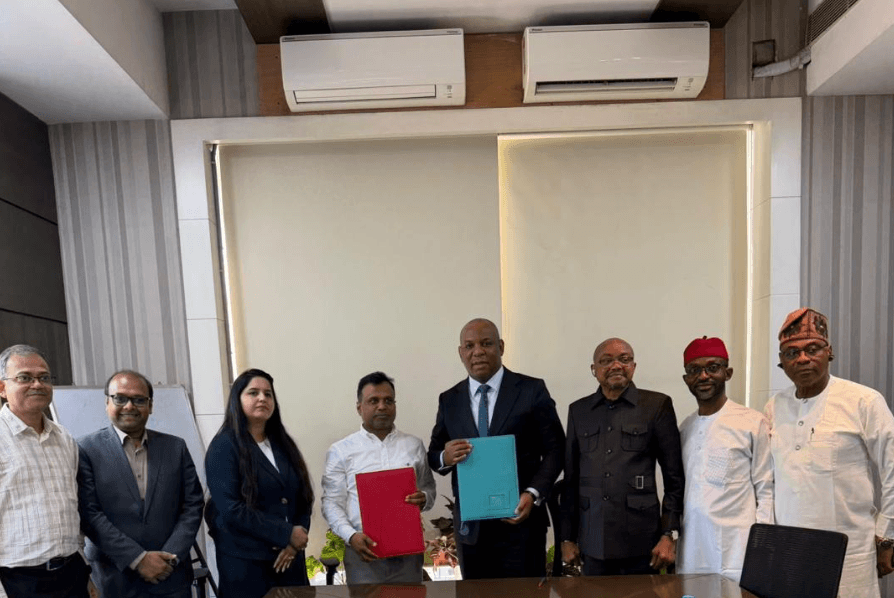
Nigeria has signed a $1 billion agreement with India-based Rashmi Metaliks Group to scale up domestic steel production, in a move aimed at reducing import dependence and strengthening the country’s industrial base.
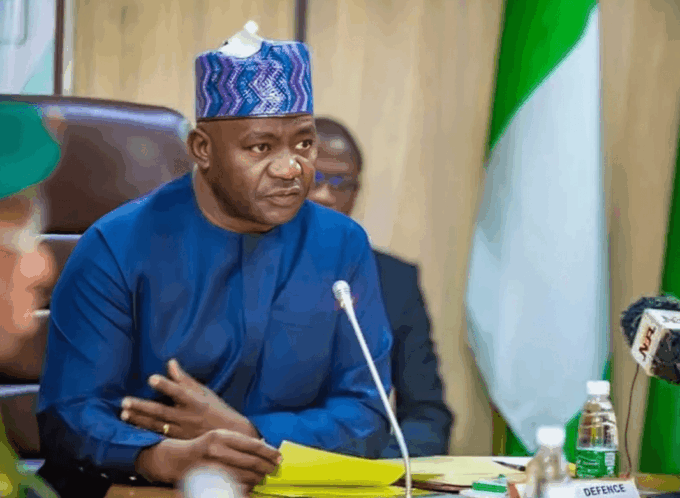
The agreement was executed on April 15, 2026, during an official visit to India by the Minister of Steel Development, Shuaibu Abubakar Audu. It forms part of the Federal Government’s broader push to accelerate industrialisation and attract foreign direct investment.
Industrial Strategy Gains Momentum
Officials say the deal represents a strategic step toward reviving Nigeria’s underperforming steel sector.
The Ministry of Steel Development disclosed that the partnership will channel investment into production, processing, and supporting infrastructure across the steel value chain over the next three years.
Audu described the agreement as a “milestone” aligned with the administration’s agenda to expand local manufacturing capacity and reposition the sector as a key driver of economic growth.
Tackling Import Dependence
Nigeria continues to rely heavily on imported steel despite abundant raw materials. Industry estimates put annual steel consumption at about $10 billion, highlighting a wide gap between domestic supply and demand.
The government expects the new investment to narrow this gap by boosting local output, easing pressure on foreign exchange reserves, and improving the country’s trade balance.
Technology Transfer in Focus
The agreement follows the minister’s inspection of Rashmi Metaliks’ integrated steel facility in Kolkata, India, where he cited the firm’s advanced production systems as a model for Nigeria.
Analysts say the partnership could enable technology transfer, allowing Nigeria to adopt more efficient and competitive manufacturing processes, critical to lowering production costs and improving productivity.
Jobs, Infrastructure, and Growth Prospects
Authorities project that the deal will create jobs, support infrastructure development, and deepen value-chain integration across sectors such as construction, automotive, telecommunications, and defence.
Nigeria’s iron ore reserves estimated at over three billion tonnes offer significant long-term potential. However, the sector has struggled to attract sustained investment due to policy inconsistencies and structural bottlenecks.
Policy Backing and Industry Linkages
The steel initiative aligns with ongoing policy measures designed to strengthen domestic manufacturing.
Programmes such as the End-of-Life Vehicle (ELV) Policy and the Vehicle Conformity Assessment Programme (VehCAP) are expected to stimulate demand for locally produced steel.
These efforts aim to build a more integrated industrial ecosystem linking raw materials, manufacturing, and end-use industries.
Execution Risks Remain
Despite renewed commitments, Nigeria’s steel sector has faced decades of underperformance. Notably, the Ajaokuta Steel Company has remained largely inactive, underscoring longstanding operational and policy challenges.
Industry watchers note that the success of the new agreement will depend on effective execution, regulatory consistency, and the ability to attract complementary investments.
Outlook
The $1 billion deal signals renewed investor confidence in Nigeria’s industrial agenda. While it marks a positive step toward reducing import dependence, analysts caution that its long-term impact will hinge on sustained reforms and disciplined implementation.
If successfully executed, the partnership could reposition Nigeria as a more competitive player in the global steel market.
- HURIWA Seeks Tinubu’s Intervention in Winhomes, Diaspora Investors Dispute
- Concrete Nation: Cement Fuels Nigeria’s ‘Go Local’ Industrial Push
- Windstorm Devastates Ebonyi Community, Destroys Church, Livelihoods

Grow Your Real Estate Business Online
RealtyBox helps developers, agencies, and property brands attract qualified buyers through AI, SEO, Google Ads, content marketing, and strategic digital marketing.
Book a Free Strategy Call