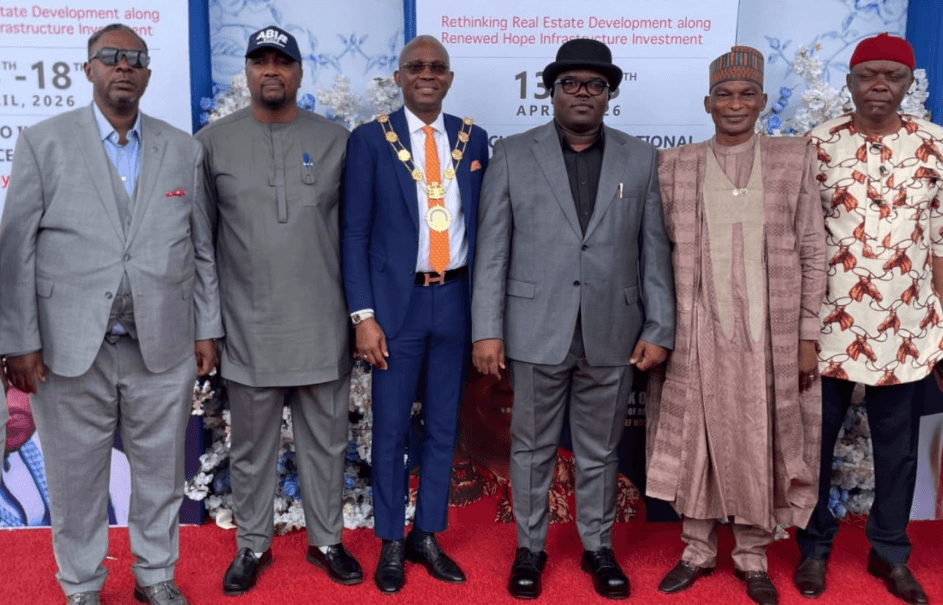
Estate surveyors and valuers have outlined strategies to align real estate development with ongoing and planned infrastructure projects across Nigeria, stressing the need for data-driven planning and proactive land use management.
The experts noted that major infrastructure investments such as highways, rail lines, airports and industrial hubs are key drivers of property value appreciation and urban expansion.
They said early identification of emerging growth corridors and professional guidance on land acquisition and development timing would help investors unlock economic value while ensuring orderly urban growth.
These views were shared by members of the Nigerian Institution of Estate Surveyors and Valuers during its 56th annual conference held in Abia State.
Participants emphasised the importance of due diligence, regulatory compliance and stakeholder engagement in reducing risks associated with corridor-based developments.
They also stressed that integrating market analysis with infrastructure planning would help prevent speculative bubbles, promote balanced regional growth and align development with long-term urban needs.
The President of NIESV, Victor Alonge, said estate surveyors play a crucial role in linking infrastructure provision with real estate development.
He explained that the conference theme, “Corridors, Connectivity, and Capital: Rethinking Real Estate Development Along Renewed Hope Infrastructure Investments,” was chosen in response to Nigeria’s infrastructure deficit and the opportunities presented by ongoing investments.
According to him, infrastructure corridors could boost trade, improve mobility and enhance regional integration.
“This year’s edition offers us a critical opportunity to engage stakeholders and deepen discussions on the link between real estate development and infrastructure investment corridors,” Alonge said.
Also speaking, the Chairman of the Abia State branch, Uche Ikoro, said infrastructure projects are creating new opportunities for growth and transformation.
She described estate surveyors as key actors in bridging the gap between land, infrastructure and investment, urging professionals to lead transformation with innovation and integrity.
In his presentation, NIESV Second Vice President, Emmanuel Mark, said integrated corridor development is already taking shape in Nigeria, citing Abia State as an example.
He noted that the convergence of industrial, transport and aviation investments around Aba and Umuahia demonstrates how coordinated planning can drive economic growth.
Mark called on the Federal Government to establish a comprehensive corridor planning framework supported by legal and institutional structures, while also empowering state governments to manage land development effectively.
He further advocated stronger private sector participation through incentives and risk-sharing mechanisms.
Providing an international perspective, Bankole Awuzie said infrastructure projects are reshaping land values and economic activities across regions.
However, he warned that poor management of corridor development could lead to land speculation, inequality and fragmented urban growth.
Similarly, an estate surveyor, Christian Ifediora, urged governments to prioritise sustainability by incorporating environmental considerations into infrastructure and urban planning.
He recommended innovative financing options such as green bonds and public-private partnerships, while also calling for improved maintenance culture and stronger institutional capacity.
Ifediora added that Nigeria could adopt best practices from countries like the United States, United Kingdom, Japan and Singapore in developing sustainable and smart cities.
He noted that while infrastructure corridors in cities like Lagos and Abuja are already influencing real estate development, future progress depends on long-term planning, innovation and effective governance.

Grow Your Real Estate Business Online
RealtyBox helps developers, agencies, and property brands attract qualified buyers through AI, SEO, Google Ads, content marketing, and strategic digital marketing.
Book a Free Strategy Call