

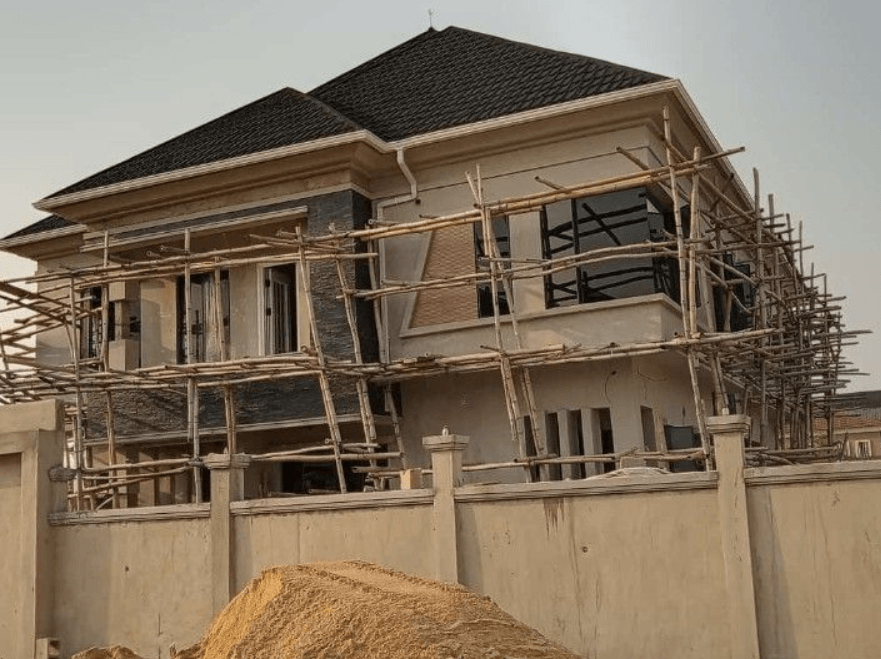
Cost of building a house in Nigeria has become one of the most searched and misunderstood topics in the Nigerian real estate space, and for good reason.
Prices of cement, iron rods, labour, and finishing materials have all increased significantly over the last few years.
What ₦10 million could comfortably build in 2020 will struggle to deliver the same result in 2026.
Yet, people are still asking the same questions:
- Can ₦2 million build a house in Nigeria?
- What kind of house can ₦10M or ₦20M build?
- Is it cheaper to build or buy property in Nigeria today?
This article answers those questions with realistic, on-ground insights, not assumptions.
Whether you’re building in Ibadan, Lagos outskirts, Abuja suburbs, or a semi-urban town, this article will help you understand what your money can actually achieve.
WHAT TO LEARN IN THIS ARTICLE:
Table of Contents
Understanding the Cost of Building a House in Nigeria
Before breaking down budgets, it’s important to understand how building costs are calculated in Nigeria.
There is no fixed price for building a house.
Two people building the same 3-bedroom bungalow can spend completely different amounts depending on several key factors.
1. Location
Location affects cost more than anything else.
- In Lagos (Lekki, Ajah): Sand filling, approvals, and labour are expensive
- In Ibadan: Labour is cheaper, land is more accessible
- In rural areas: Costs drop significantly, but quality control becomes an issue
2. Building Design
A simple bungalow is cheaper than a duplex, but not always by a wide margin. Complex designs increase:
- Structural requirements
- Material usage
- Labour time
3. Material Prices (2026 Reality)
As of early 2026, average building material prices are:
- Cement: ₦9,500 – ₦13,500 per bag
- Sharp sand (per trip): ₦70,000 – ₦150,000 depending on location
- Granite: ₦120,000 – ₦250,000 per trip
- Iron rods: ₦700,000 – ₦1.2M per ton
These prices fluctuate frequently, and that’s where many building projects go wrong – underestimation.
4. Finishing Level
Finishing is where budgets either survive or collapse.
- Basic finishing: cement screed floors, simple ceiling
- Mid-range: tiles, POP ceiling, fitted kitchen
- Luxury: imported tiles, smart lighting, premium fittings
Cost of Building a House in Nigeria by Budget (2026 Breakdown)
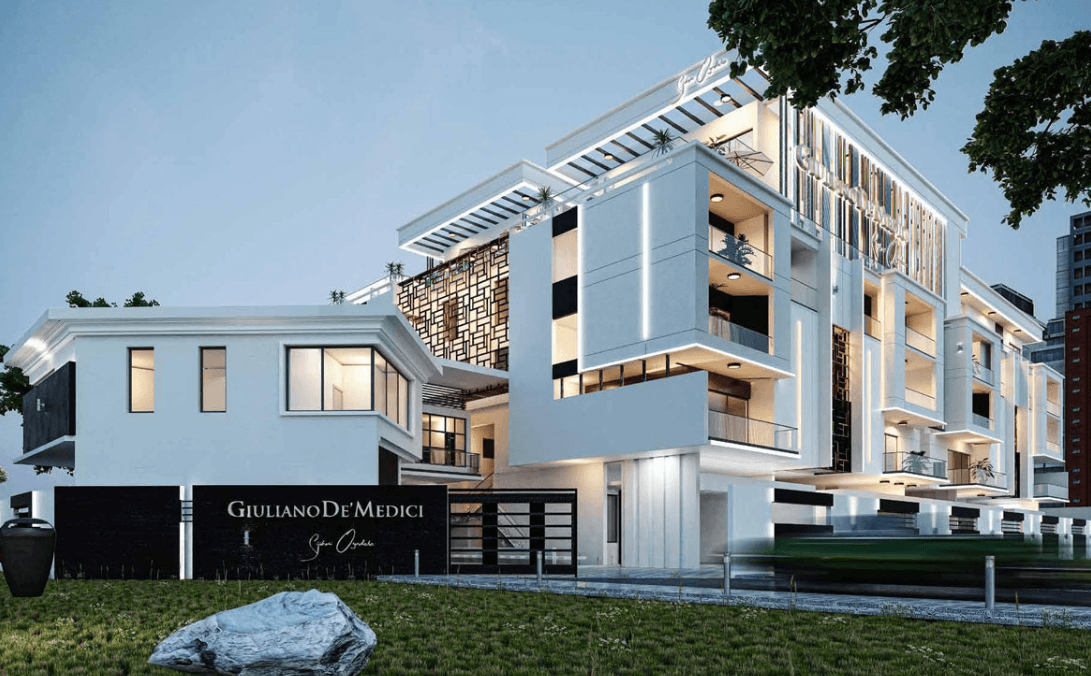
Let’s now address the real question: What can each budget realistically build in Nigeria?
Can ₦2 Million Build a House in Nigeria?
Simple answer is No. Not in any meaningful or complete way in 2026.
With ₦2 million, here’s what is realistically possible:
- Purchase of low-cost land in a remote area
- Foundation stage of a small bungalow
- One-room structure using very basic materials
Even at the foundation level, costs add up quickly:
- Excavation
- Blocks for foundation
- Cement for footing and setting
- Labour
By the time you reach lintel level, ₦2 million is already exhausted.
Conclusion is; ₦2 million is a starting point, not a building budget. At best, it helps you begin.
What Can ₦5 Million Build in Nigeria?
At ₦5 million, building becomes possible…but still very limited.
You can achieve:
- A mini flat (room and parlour self-contained)
- A very basic 1-bedroom bungalow
- Partial completion of a 2-bedroom structure
However, compromises are unavoidable:
- No POP ceiling
- Minimal electrical fittings
- Basic doors and windows
- Cement screed floors instead of tiles

Grow Your Real Estate Business Online
RealtyBox helps developers, agencies, and property brands attract qualified buyers through AI, SEO, Google Ads, content marketing, and strategic digital marketing.
Book a Free Strategy CallThis budget works best in:
- Semi-urban areas
- Town outskirts
- Villages
Strategy that works here: Build to roofing level, pause, then complete finishing later.
READ ALSO: How to Buy Property in Nigeria in 2026 (Complete Step-by-Step Guide)
What Can ₦10 Million Build in Nigeria?
₦10 million is where things start becoming realistic for proper residential development.
At this budget, you can build:
- A standard 1-bedroom bungalow
- A simple 2-bedroom bungalow (with controlled finishing)
Typical allocation:
- Substructure (foundation): ₦1.5M – ₦3M
- Structure to lintel: ₦2M – ₦4M
- Roofing: ₦1.5M – ₦3M
- Basic finishing: ₦2M – ₦4M
At this level, you can expect:
- Fully roofed structure
- Basic plumbing and electrical installations
- Manageable living standard
This is a common entry point for:
- Salary earners
- First-time home builders
- Small-scale investors
What Can ₦20 Million Build in Nigeria?
₦20 million is currently the most balanced and realistic budget for building a comfortable home in Nigeria.
With proper planning, this budget can deliver:
- A standard 2-bedroom bungalow
- A modest 3-bedroom bungalow
At this level, you begin to enjoy:
- Tiled floors
- POP ceiling (moderate)
- Kitchen cabinets
- Wardrobes
- Borehole installation (depending on allocation)
Cost distribution becomes more structured:
- Foundation: ₦2M – ₦4M
- Structure: ₦4M – ₦6M
- Roofing: ₦3M – ₦5M
- Finishing: ₦6M – ₦10M
In cities like Ibadan and Ilorin, ₦20M can deliver a very decent result. In Lagos, it may still feel tight depending on location.
What Can ₦30 Million Build in Nigeria?
₦30 million moves you into the upper-middle segment of residential construction.
At this level, options expand significantly:
- Standard 3 to 4-bedroom bungalow with good finishing
- A basic duplex (possibly at carcass or near completion stage)
Features you can include:
- High-quality tiles
- POP ceiling throughout
- Modern kitchen
- Fenced compound
- Borehole and water system
This budget gives flexibility, you’re no longer just trying to complete a house; you can start thinking about comfort and aesthetics.
What Can ₦50 Million Build in Nigeria?
₦50 million provides strong control over both structure and finishing quality.
You can build:
- Fully finished 3-4 bedroom duplex
- Luxury bungalow with premium finishing
- 2-4 unit rental apartments
At this level, your budget can accommodate:
- Interlocked compound
- Modern lighting design
- Premium fittings
- Security features
This is where developers begin to operate for:
- Rental income
- Short-let apartments
- High-value resale
Cost of Building a House in Nigeria by House Size (2026 Breakdown)
Here is a breakdown of the cost of building a house in Nigeria by house size or room number, whether it’s 1 bedroom, 2 bedroom or even 5 bedroom.
Cost of Building a 1 Bedroom House in Nigeria (2026)
A 1-bedroom house is the cheapest fully functional residential unit you can build in Nigeria today.
In most cases, this comes as:
- A mini flat (room and parlour self-contained)
- A small bungalow
Estimated Cost Range:
₦6 million – ₦15 million
What Determines the Cost:
- Location (Ibadan vs Lagos is a major difference)
- Size of the sitting room and kitchen
- Finishing level
What You Can Expect:
At ₦6M – ₦8M:
- Very basic structure
- Cement screed floors
- Minimal electrical fittings
- No POP ceiling
At ₦10M – ₦15M:
- Tiled floors
- Basic POP ceiling
- Standard kitchen fittings
- Borehole possible (if managed well)
Reality Check:
A 1-bedroom house is ideal for:
- Low-budget builders
- Rental income (especially in urban areas)
- Single occupants or young couples
It is not just the cheapest, it’s also one of the fastest to complete.
Cost of Building a 2 Bedroom House in Nigeria (2026)
This is currently the most searched and most built house type in Nigeria.
Why? Because it balances:
- Affordability
- Functionality
- Rental value
Estimated Cost Range:
₦15 million – ₦35 million
Common Variations:
- 2-bedroom bungalow
- 2-bedroom flat (especially for rentals)
Cost Breakdown Insight:
At ₦15M – ₦20M:
- Basic 2-bedroom bungalow
- Limited finishing
- No luxury features
- Suitable for outskirts or semi-urban areas
At ₦20M – ₦25M:
- Comfortable standard bungalow
- Tiled floors
- POP ceiling (partial or moderate)
- Functional kitchen and wardrobes
At ₦25M – ₦35M:
- Well-finished 2-bedroom house
- Full POP ceiling
- Modern fittings
- Borehole + water system
- Fenced compound possible
Key Insight:
This is the sweet spot for most Nigerians.
It’s affordable enough to build, yet valuable enough for:
- Renting out
- Long-term living
- Resale
SEE ALSO: 10 Must-Have Top Documents Required for Land Purchase in Nigeria 2026
Cost of Building a 3 Bedroom House in Nigeria (2026)
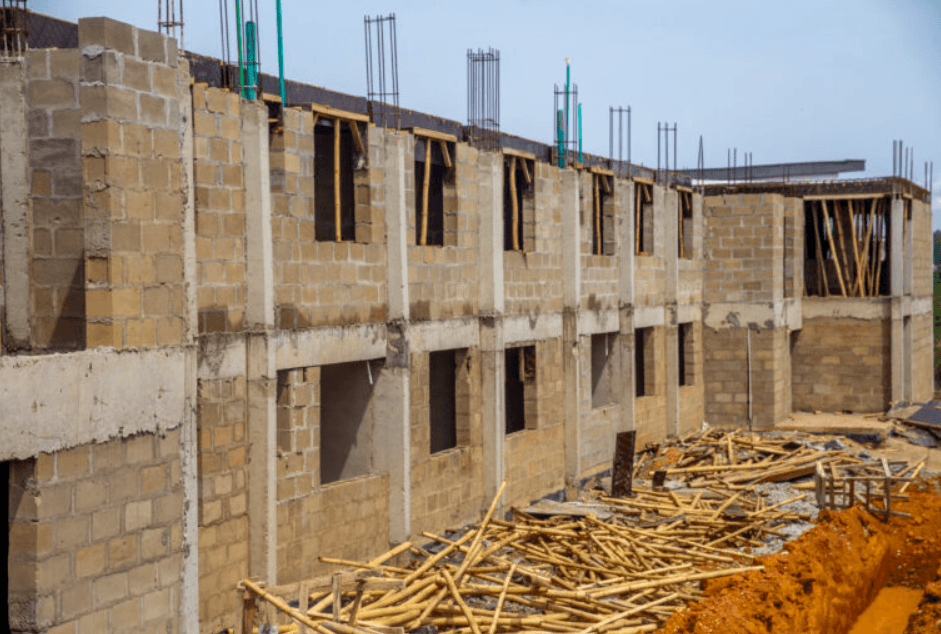
A 3-bedroom house is considered the standard family home in Nigeria.
This is where space, comfort, and lifestyle start to matter more.
Estimated Cost Range:
₦35 million – ₦75 million
What Affects the Cost:
- Size of rooms (especially master bedroom)
- Dining area inclusion
- Number of toilets
- Finishing quality
Budget Scenarios:
At ₦35M – ₦40M:
- Basic to moderate bungalow
- Tiled floors
- Partial POP ceiling
- Standard kitchen
At ₦40M – ₦55M:
- Fully finished bungalow
- Good quality materials
- Modern kitchen
- Borehole + compound setup
At ₦55M – ₦75M:
- Premium bungalow OR
- Entry-level duplex
Reality:
Most “₦20M to ₦30M 3-bedroom” builds you hear about are:
- Either incomplete
- Or heavily compromised on finishing
Cost of Building a 4 Bedroom House in Nigeria (2026)
Now you’re moving into upper-middle to high-end residential development.
A 4-bedroom house is rarely built on a tight budget.
Estimated Cost Range:
₦45 million – ₦120 million
Typical Forms:
- Large bungalow
- Duplex (most common)
What Drives Cost Up:
- Structural complexity (especially duplex)
- Staircase design
- Multiple bathrooms
- Larger roofing area
Budget Reality:
At ₦45M – ₦50M:
- Basic 4-bedroom bungalow OR
- Duplex at carcass level
At ₦50M – ₦70M:
- Fully completed bungalow
- Or nearly completed duplex
At ₦70M – ₦80M+:
- Fully finished duplex
- Good aesthetics and fittings
Key Insight:
At this level, you’re no longer just building a house.
You’re building:
- A status property
- A long-term investment asset
Cost of Building a 5 Bedroom House in Nigeria (2026)
A 5-bedroom house sits firmly in the luxury or high-investment category.
This is not a casual project.
Estimated Cost Range:
₦70 million – ₦150 million+
Common Structures:
- Duplex (most common)
- Luxury bungalow (less common but expensive)
Cost Influencers:
- Architectural design complexity
- Imported finishing materials
- Smart home features (in some cases)
- Compound development
Budget Breakdown:
At ₦70M – ₦80M:
- Basic duplex structure
- Moderate finishing
At ₦80M – ₦120M:
- Fully finished duplex
- High-quality fittings
- Borehole, fencing, gatehouse
At ₦120M+:
- Luxury property
- Premium finishing
- Advanced features
Reality Check:
Most people building at this level are:
- Developers
- High-income earners
- Investors targeting high-end tenants or resale
So what next…?
The number of bedrooms doesn’t just increase cost, it changes the entire structure of your budget.
- 1-2 bedroom = affordability and rental focus
- 3 bedroom = family living standard
- 4-5 bedroom = investment, status, and long-term value
If you misunderstand this, you will:
- Under-budget
- Stall your project
- Or compromise heavily on finishing
The smartest approach is not to ask:
“How many bedrooms do I want?”
But:
“What can my budget realistically sustain from foundation to finishing?”
That’s the difference between completing a house… and abandoning a project halfway.
Cost of Building Bungalow vs Duplex in Nigeria
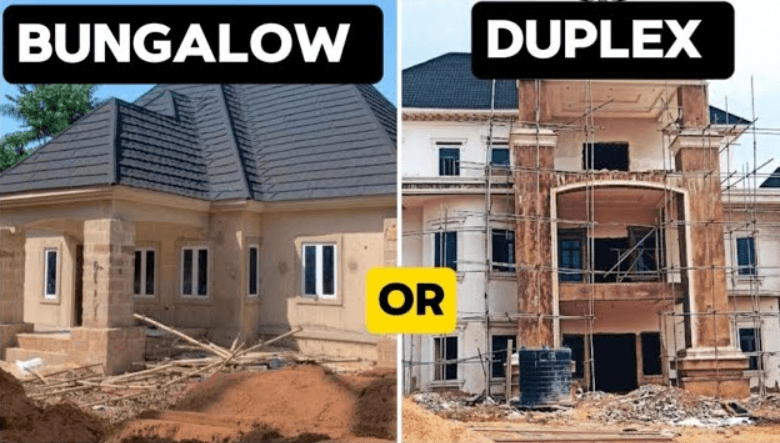
One of the most common comparisons in Nigerian real estate is between bungalow and duplex construction.
Bungalow
Advantages:
- Lower structural complexity
- Faster to build
- Cheaper foundation
Disadvantages:
- Requires more land
- Lower long-term resale value
Duplex
Advantages:
- Better land utilization
- Higher rental and resale value
- More architectural appeal
Disadvantages:
- Higher structural cost
- Requires skilled labour
- More expensive finishing
In most cases, a duplex will cost 30%–60% more than a bungalow of similar size.
READ MORE: 12 Best Ways of Acquiring Land in Nigeria 2026
What is the average cost per square meter to build a house in Nigeria in 2026?
The average cost per square meter in Nigeria in 2026 typically ranges between:
₦180,000 – ₦450,000 per sqm
This depends heavily on the level of finishing:
- Basic building: ₦180,000 – ₦250,000/sqm
- Mid-range finishing: ₦250,000 – ₦350,000/sqm
- Luxury finishing: ₦350,000 – ₦450,000+/sqm
For example:
A 2-bedroom bungalow of 100 sqm could cost between ₦18 million and ₦35 million depending on quality and location.
In cities like Lagos, costs are usually higher due to labour, logistics, and approvals. In places like Ibadan or Ilorin, the same structure may cost less.
Most Expensive Parts of Building a House in Nigeria
Many people assume foundation is the most expensive stage. In reality, the biggest expenses are often elsewhere.
1. Finishing
Finishing can take 40%–60% of total cost.
- Tiles
- Ceiling
- Kitchen
- Painting
- Doors and fittings
2. Roofing
Roofing costs have increased significantly due to:
- Wood prices
- Aluminium sheets
- Labour
3. Structural Work
This includes:
- Iron rods
- Concrete work
- Columns and beams
Hidden Costs of Building a House in Nigeria
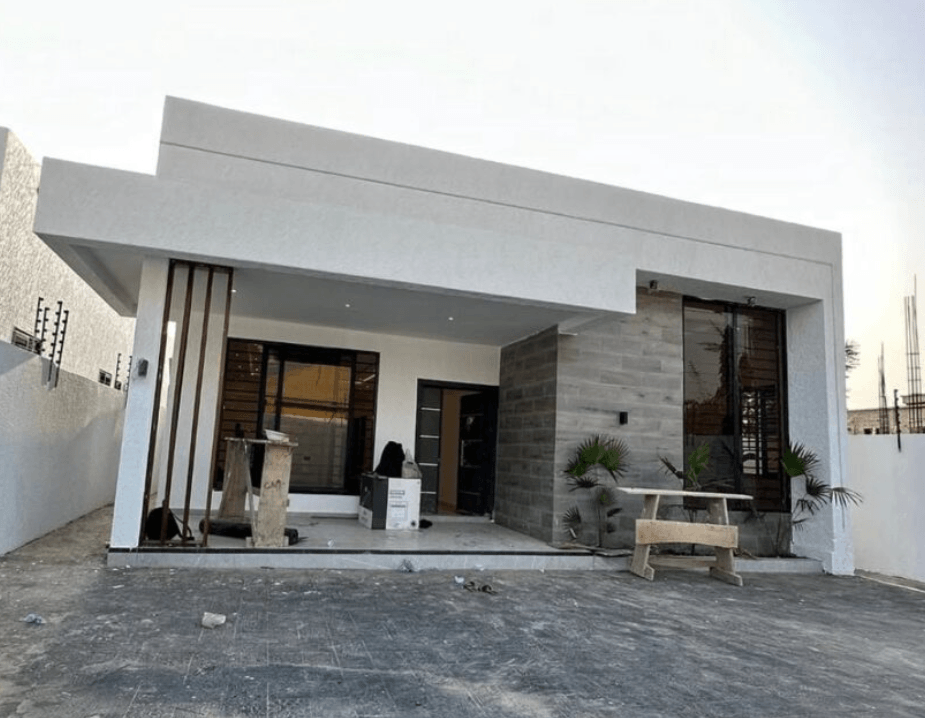
This is where many projects fail financially.
I. Professional Fees
- Architect
- Structural engineer
- Quantity surveyor
II. Government Approvals
- Building plan approval
- Land documentation
III. Site Preparation
- Clearing
- Sand filling
- Excavation
IV. Utilities
- Borehole
- Septic tank
- Electricity
Ignoring these costs can add 20%–40% extra to your budget unexpectedly.
Is It Cheaper to Build or Buy a House in Nigeria?
This question depends on your goal.
Building
- More control over design
- Lower cost per square meter
- Better long-term investment
Buying
- Faster
- Less stress
- Higher upfront cost
For investors, building often provides better returns. For convenience, buying wins.
FAQs on Cost of Building a House in Nigeria
Can ₦5 million build a house in Nigeria?
Yes, but only a basic structure such as a mini flat or small bungalow in a low-cost area or village.
Can ₦30 million build a house in Nigeria in 2026?
Yes, ₦30 million can build a house in Nigeria in 2026, but what you get depends on how well the project is planned.
How much does it cost to build a 3-bedroom bungalow in Nigeria?
Between ₦35 million and ₦75 million depending on location and finishing.
Is ₦10 million enough to build a house in Nigeria?
Yes, for a standard 1 bedroom or modest 2 bedroom bungalow with basic finishing.
What is the cheapest type of house to build in Nigeria?
A 1 bedroom bungalow is generally cheaper due to its simpler structure.
Final Thoughts on the Cost of Building a House in Nigeria
The cost of building a house in Nigeria in 2026 is no longer something you can estimate casually.
Prices are dynamic, and mistakes are expensive.
What matters most is not just your budget, but:
- Your planning
- Your design choices
- Your ability to manage costs
A well-planned ₦20 million project can outperform a poorly managed ₦50 million build.
If you approach building with accurate information and realistic expectations, you won’t just build a house, you’ll build an asset that holds long-term value in Nigeria’s evolving property market.
- Top 5 Fastest Growing Areas in Lagos in 2026
- How to Easily Use WhatsApp to Close Real Estate Deals Faster in Nigeria 2026
Grow Your Real Estate Business Online
RealtyBox helps developers, agencies, and property brands attract qualified buyers through AI, SEO, Google Ads, content marketing, and strategic digital marketing.
Book a Free Strategy Call








I have 3.2million and I want a simple mini bungalow self con. And i seriously need your help on what to do to get a good house with fine design
Thank you for your comment.
With ₦3.2 million, a simple self-contained mini bungalow may be achievable if you already have the land, and the finishing will likely need to be basic. The location also matters a lot because building costs vary significantly across different states and cities.
To advise you properly, please let us know:
• Your location (state/city)
• Whether you already own the land
• The size of the land
Once we have those details, we can suggest a suitable design and give you a more realistic building plan that fits your budget.
Send those details to: media@realtybox.name.ng