Enugu State is pushing ahead with a proposed $220 million solar power initiative that could improve electricity supply to homes, businesses and agricultural operators, starting with 30 communities.
The Peter Mbah-led administration has thrown its weight behind a proposed 100-megawatt (MW) solar hybrid power project aimed at expanding electricity access and supporting economic activities across parts of the state.
Known as the Solar Hybrid Interconnected Networks for Enugu (SHINE), the initiative is valued at about $220 million (approximately ₦310 billion) and is expected to be implemented in phases over three years.
The project, being promoted by Eauxwell Nigeria Limited, is designed to combine solar power, battery storage and connections to the existing electricity distribution network.
However, the proposal is still progressing through the necessary financing, regulatory and commercial arrangements before full implementation can move forward.
First phase to provide power to 30 communities
The initial phase of the SHINE programme will focus on the Eha-Amufu and Owo cluster, where a proposed 10MW solar plant with battery storage is expected to supply 30 communities through two local electricity feeders.
The first phase is estimated to cost ₦31 billion, equivalent to about $22 million.
If delivered as planned, the facility could provide a more dependable electricity supply for households, small businesses, shops and agricultural processing centres in the target areas.
The wider programme is expected to expand gradually, with additional solar hybrid plants planned for other peri-urban communities across Enugu State.
The project’s success, however, will depend on how quickly the parties involved can conclude funding arrangements, secure approvals and move from planning to construction.
How Enugu plans to fund the solar project
The proposed investment is being facilitated by the state’s Climate and Development Investment Platform (CDIP), which connects investors with government agencies, regulators and other stakeholders.
The platform is coordinated by Professor Chukwumerije Okereke, Governor Mbah’s Special Adviser on Climate Policy and Sustainable Development.
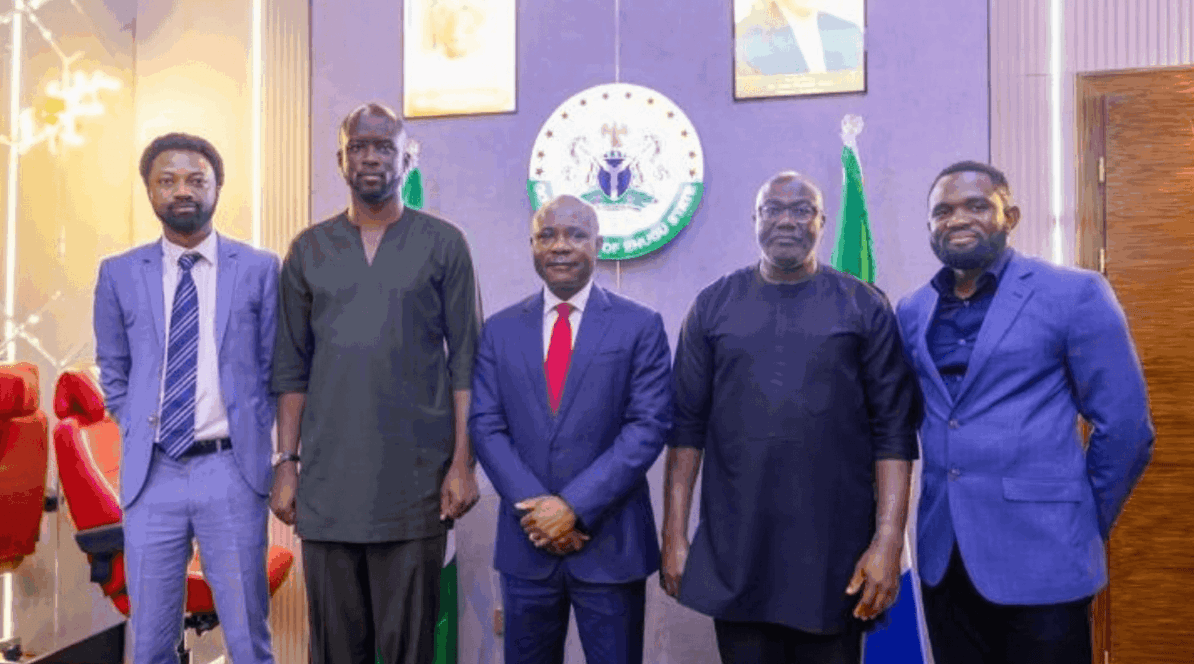
At a strategic meeting held at the Government House in Enugu, state officials and representatives of Eauxwell discussed the project’s implementation, funding structure and regulatory requirements.
The Rural Electrification Agency (REA) also participated in the discussions, with Olufemi Akinyelure, head of its Nigeria Electrification Programme, outlining opportunities to align the initiative with the federal government’s Distributed Access through Renewable Energy Scale-up (DARES) framework.
Under the proposed arrangement, funding would combine private equity, debt and federal grant support.
This blended financing model is expected to help mobilise the capital needed to develop the planned solar infrastructure. The final funding commitments, however, remain an important step towards delivery.
Mbah raises concern over electricity tariffs
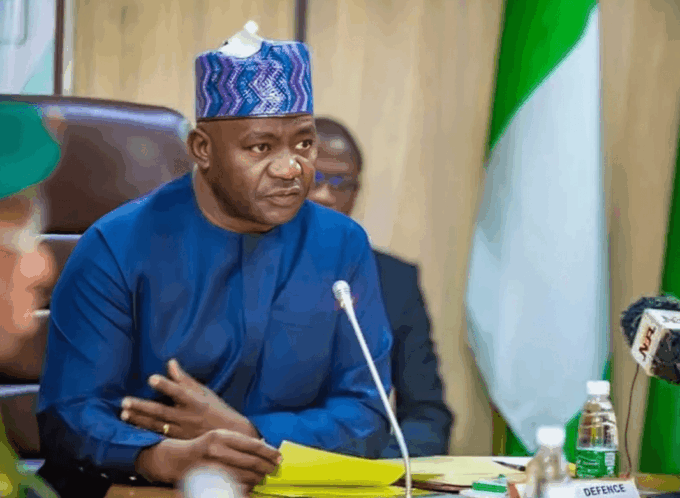
Beyond attracting investment, Governor Mbah has stressed that the project must provide electricity at rates ordinary residents and businesses can afford.
During the meeting, the governor examined Eauxwell’s financial projections and proposed tariff structure, highlighting the need to balance investors’ operating costs with consumers’ ability to pay.
His position was that the project should offer investors a reasonable opportunity to recover their costs without placing an excessive financial burden on households and local businesses.
Eauxwell reportedly assured the state government that the final electricity tariffs would be determined in consultation with the relevant state electricity regulators.
The tariff question will be crucial to the project’s long-term sustainability. While investors need sufficient revenue to maintain infrastructure and repay financing, high electricity prices could make the service unaffordable for the very communities it is intended to support.
For residents, the key issue will ultimately be whether the proposed network delivers consistent electricity at a price they can manage.
What the project could mean for businesses and property owners
Unreliable electricity remains a major expense for many Nigerian households and businesses, forcing some to depend on petrol or diesel generators, inverters and other alternative power sources.
For small businesses, these alternatives can increase operating expenses, affect productivity and reduce profits. Agricultural processors also need dependable electricity to operate equipment and preserve products.

Grow Your Real Estate Business Online
RealtyBox helps developers, agencies, and property brands attract qualified buyers through AI, SEO, Google Ads, content marketing, and strategic digital marketing.
Book a Free Strategy CallA functioning SHINE network could help ease some of these pressures in the communities it serves, particularly if the power supply is reliable and tariffs remain affordable.
The project could also benefit residential property owners and developers by improving access to electricity for essential services such as water pumping, security systems and shared facilities within estates.
However, the proposed investment should not be taken as a guarantee that rents, house prices or construction costs will fall. Any wider benefits for the property market will depend on the project’s actual coverage, reliability and commercial terms.
Governor promises faster implementation
Governor Mbah has urged the project developers to shorten their implementation timeline, pledging the state government’s support in facilitating regulatory approvals, land arrangements and commercial agreements.
The discussions also reviewed progress on a separate electrification project in Aninri, which the state government says it is working to advance towards construction in the coming weeks.
The meeting brought together senior government officials, commissioners, project advisers and energy-sector representatives, reflecting the administration’s effort to coordinate public institutions around major infrastructure investments.
By placing the CDIP under the governor’s office, the administration aims to strengthen coordination between investors and government agencies involved in delivering strategic projects.
Still, government backing alone does not mean the entire ₦310 billion investment has been secured or that construction has started across the proposed network.
What happens next?
Enugu’s SHINE initiative presents an opportunity to expand electricity access through renewable energy, with the first phase targeting 30 communities around Eha-Amufu and Owo.
The immediate priority is to finalise financing, regulatory approvals, land arrangements and commercial agreements so that the proposed 10MW facility can progress towards construction.
If successfully implemented, the wider 100MW programme could support households, local enterprises and agricultural activities while strengthening electricity infrastructure in underserved areas.
For residents, the real measure of success will be straightforward: reliable electricity, affordable tariffs and a project that moves from promises to actual power supply.
Grow Your Real Estate Business Online
RealtyBox helps developers, agencies, and property brands attract qualified buyers through AI, SEO, Google Ads, content marketing, and strategic digital marketing.
Book a Free Strategy Call