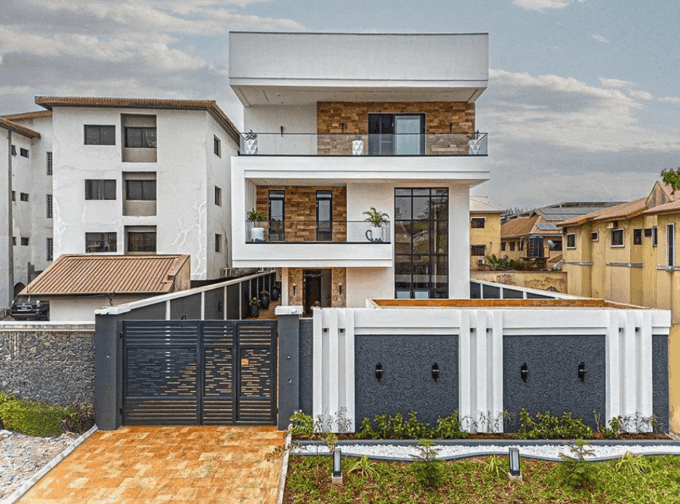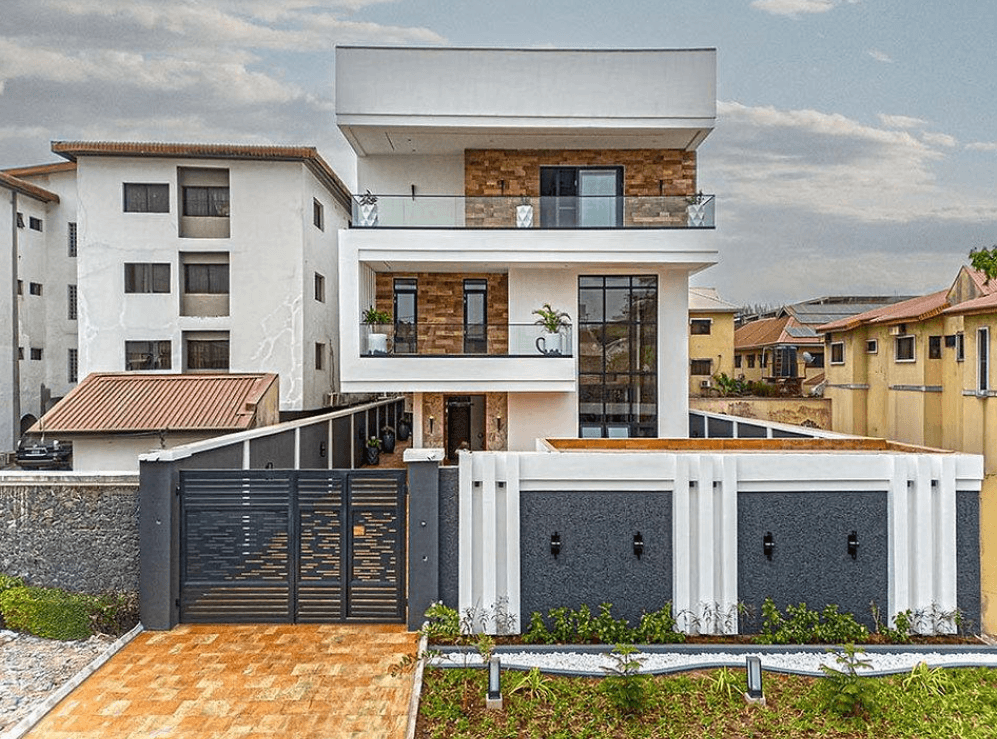
In this article I will show you the types of houses in Nigeria, and I have also included pictures of them. They include cheap bungalows, mini flats, duplexes, terrace houses, mansions and luxury penthouses.
Each type offers different levels of privacy, space, maintenance requirements, and affordability, making it important to understand your options before buying, renting, or building a home.
Whether you are a first-time homebuyer, a property investor, a Nigerian living abroad, or someone planning to build a family home, this article explains 20 types of houses in Nigeria, their defining features, and the people they suit best.
IN THIS ARTICLE:
Table of Contents
20 Types of Houses in Nigeria With Pictures and Names
The easiest way to understand Nigerian house designs is to distinguish between a building’s structure, its layout, and how it relates to neighbouring properties.
For example, ‘duplex’ describes a multi-level home in common Nigerian usage, while ‘detached’ and ‘semi-detached’ describe whether the building shares a wall with another house.
The pictures below are visual references for each housing style. Actual designs, room layouts, finishing, and prices vary by location, land size, and construction quality.
1. Detached bungalow
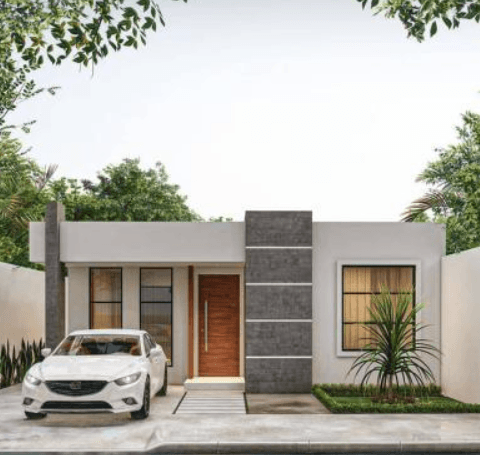
A detached bungalow is a single-storey house that stands independently without sharing walls with neighbouring buildings.
It may contain two, three, four, or more bedrooms, depending on the design.
Key features: Private compound, easy access between rooms, no internal staircase, and relatively straightforward maintenance.
Best for: Small and medium-sized families, retirees, and homeowners who prefer single-level living.
2. Semi-detached bungalow
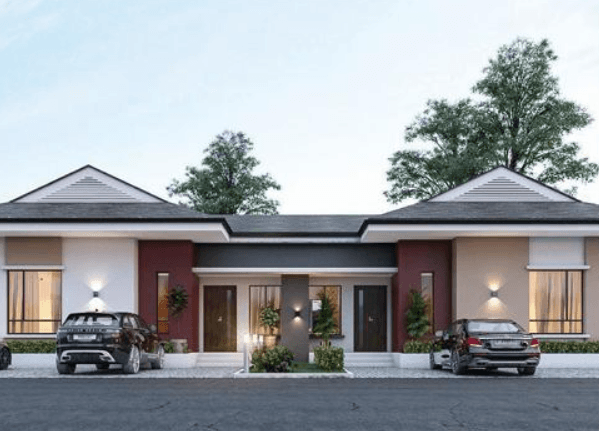
This is a single-storey house that shares one wall with another residential unit.
The two homes may have similar layouts and separate entrances, compounds, and utilities.
Key features: Shared wall, independent living spaces, and potentially lower construction costs per unit.
Best for: Buyers who want bungalow living at a potentially lower price than a comparable detached property.
Read More: How to Buy Property in Nigeria in 2026 (Complete Step-by-Step Guide)
3. Detached duplex
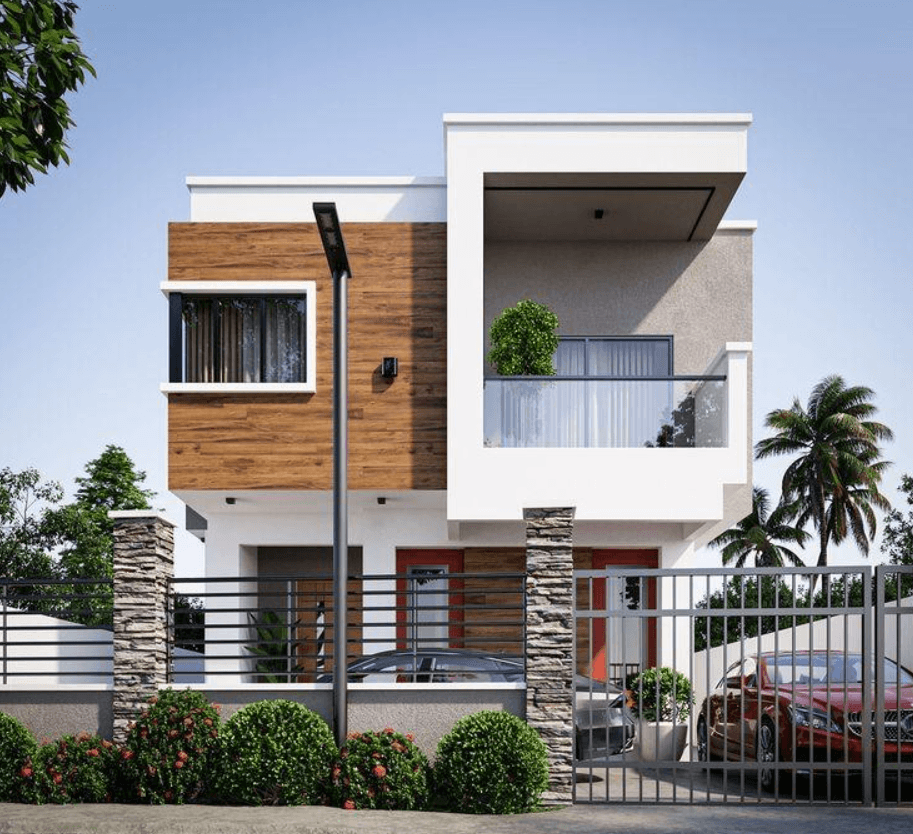
A detached duplex is a standalone, multi-level home, commonly with a ground floor and an upper floor in Nigeria.
Bedrooms may be upstairs, while the living room, kitchen, guest room, and other spaces occupy the ground floor.
Key features: More vertical living space, privacy, a private compound, and room for features such as a family lounge or study.
Best for: Larger families, professionals, and buyers seeking a spacious family home.
4. Semi-detached duplex
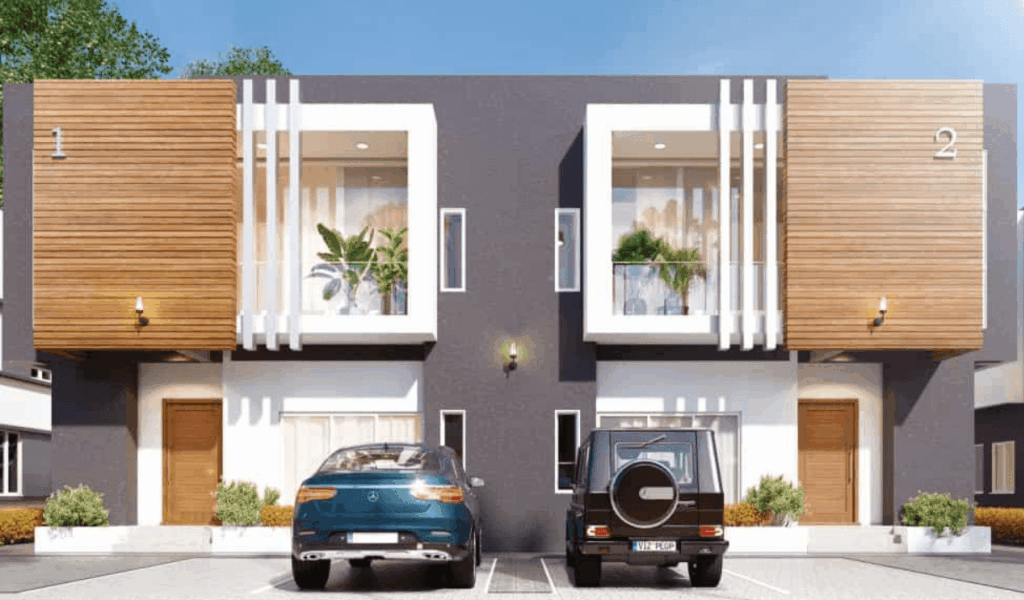
This is a two-storey residential home that shares one wall with a neighbouring house.
Each unit typically has its own entrance and may have a separate parking area and outdoor space.
Key features: Two levels, one shared wall, and a balance between privacy and space efficiency.
Best for: Families who want a duplex without paying for a fully detached property in the same development.
5. Block of flats or apartments

Grow Your Real Estate Business Online
RealtyBox helps developers, agencies, and property brands attract qualified buyers through AI, SEO, Google Ads, content marketing, and strategic digital marketing.
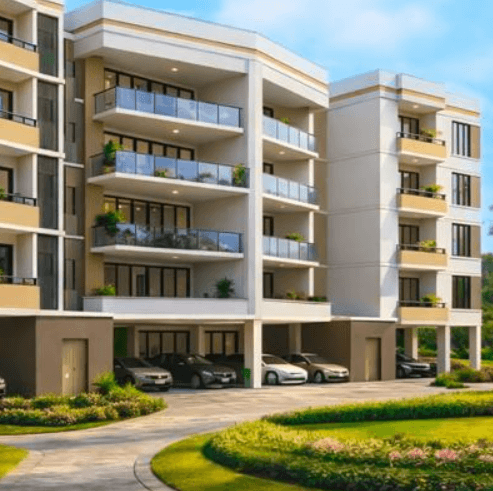
Book a Free Strategy CallA block of flats contains several independent homes within one building.
Each flat usually has its own bedroom or bedrooms, living area, kitchen, and bathroom.
Key features: Shared staircases or corridors, common facilities, and efficient use of land.
Best for: Singles, couples, families, landlords, and investors interested in rental income from multiple units.
Buying tip: Check service charges, water supply, power arrangements, parking, and responsibility for maintaining shared areas.
6. Terraced house or townhouse
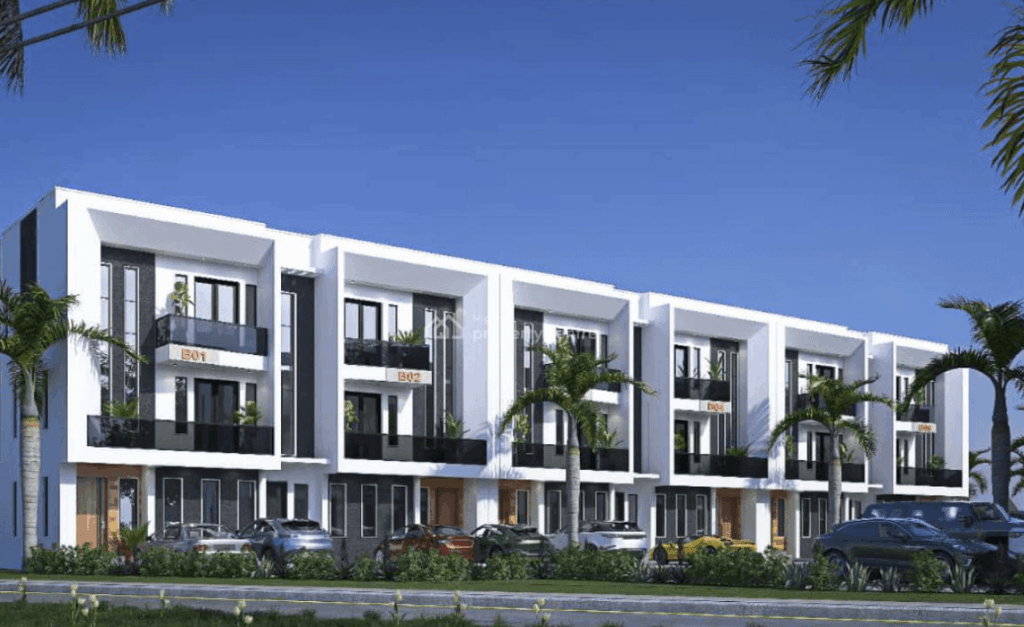
A terraced house forms part of a row of homes connected by shared side walls. Nigerian terrace houses are often two or three storeys tall and may be built within gated estates.
Key features: Repeated architectural designs, compact land use, and potentially lower purchase prices than comparable detached houses.
Best for: Young families, first-time buyers, and professionals who want a multi-level home within an estate.
Buying tip: End units may have an extra exposed side and more natural light, although the actual benefits depend on the layout.
7. Fully detached house
A fully detached house is a standalone residential building with no walls attached to neighbouring houses. It can be a bungalow, duplex, or another design.
Key features: Greater privacy, independent external walls, and potential space for gardens, parking, and outdoor entertaining.
Best for: Homeowners who value privacy, flexibility, and control over their property.
Buying tip: Confirm the actual plot boundaries, setbacks, drainage, and any estate restrictions before committing.
See Also: 10 Must-Have Top Documents Required for Land Purchase in Nigeria 2026
8. Mansion
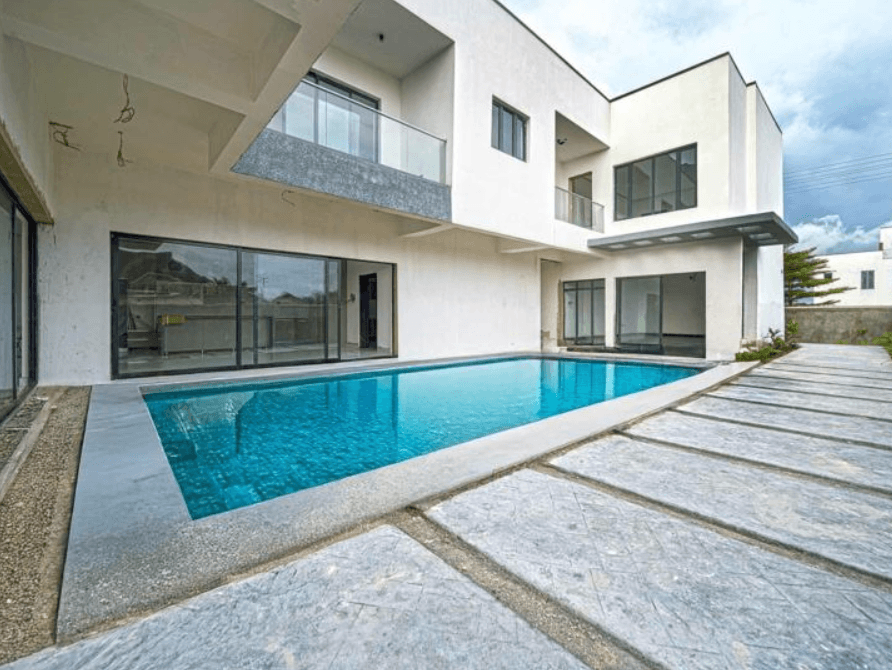
A mansion is a large, high-end residence designed to provide substantial indoor and outdoor space. It may include multiple lounges, guest suites, a home office, a swimming pool, landscaped gardens, and entertainment areas.
Key features: Generous floor area, premium finishes, extensive facilities, and higher maintenance requirements.
Best for: High-net-worth buyers and large households with the budget to maintain a luxury property.
Buying tip: Look beyond the appearance. Security, structural quality, running costs, and the resale market matter just as much as luxury finishes.
9. Penthouse
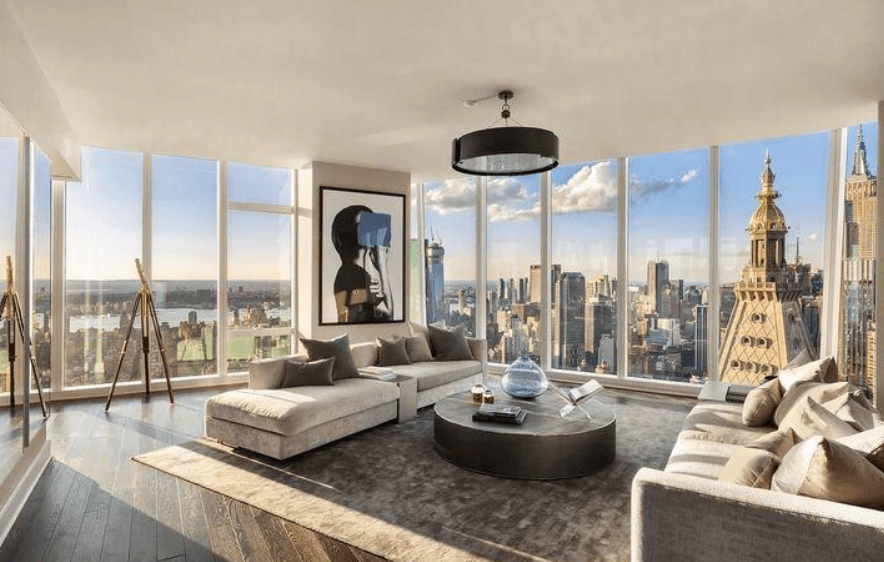
A penthouse is a premium apartment located on the top floor of a multi-storey residential building. It may feature large balconies, expansive windows, generous living areas, and upgraded finishes.
Key features: Elevated views, exclusivity, and access to shared building amenities.
Best for: Buyers seeking luxury apartment living without maintaining an entire standalone house.
Buying tip: Assess lift reliability, backup power, water pressure, roof waterproofing, service charges, and emergency access.
10. Maisonette
A maisonette is a residential unit spread across two or more levels, often within a larger building or development. It typically has an internal staircase connecting its floors.
Key features: Separation between living and sleeping areas, a multi-level layout, and apartment-style ownership or occupancy arrangements.
Best for: Couples, small families, and buyers who want a duplex-like layout within an apartment development.
Buying tip: Confirm whether the unit has a private entrance, how common areas are managed, and what the title documents cover.
11. Traditional mud or thatched house

Traditional Nigerian houses reflect local building practices, climate, available materials, and cultural traditions. Depending on the region, they may use earth, mud bricks, timber, stone, or thatch.
Key features: Locally sourced materials, region-specific designs, and architectural traditions passed down through generations.
Best for: Rural households, cultural preservation projects, and people interested in vernacular architecture.
Buying or building tip: Evaluate weather resistance, foundations, roof durability, ventilation, and suitability for present-day living requirements.
See Also: How to Evaluate Property Investment in Lagos 2026: The Proven COMPEL Strategy
12. Courtyard or compound house
A courtyard house arranges rooms or separate living units around a central open space. This layout can support extended-family living and provide a shared outdoor area.
Key features: Central courtyard, connected household spaces, and opportunities for natural light and ventilation.
Best for: Extended families and households that value shared outdoor space.
Buying tip: Plan drainage carefully and consider privacy, airflow, security, and the number of people sharing facilities.
13. Face-me-I-face-you tenement house

This traditional rental arrangement has rooms or small living units facing one another across a shared passage or courtyard. Kitchens, toilets, and bathrooms may be shared.
Key features: Compact rooms, shared facilities, and a layout designed to accommodate multiple households on limited land.
Best for: Renters prioritising low initial accommodation costs, depending on the location and available facilities.
Important consideration: Inspect sanitation, ventilation, water access, overcrowding, security, and the condition of shared facilities.
14. Self-contained apartment
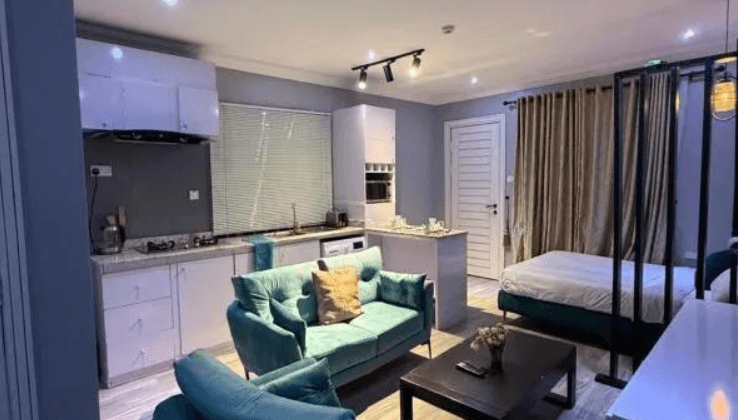
A self-contained apartment is a compact private living unit with its own sleeping or living space, bathroom, and kitchen or kitchenette. The exact arrangement depends on the property.
Key features: Private essential facilities, limited floor space, and relatively simple upkeep.
Best for: Students, single professionals, and people who need independent accommodation on a limited budget.
Buying or renting tip: Verify water supply, ventilation, electricity arrangements, and whether the advertised kitchen and bathroom are genuinely private.
15. Mini-flat
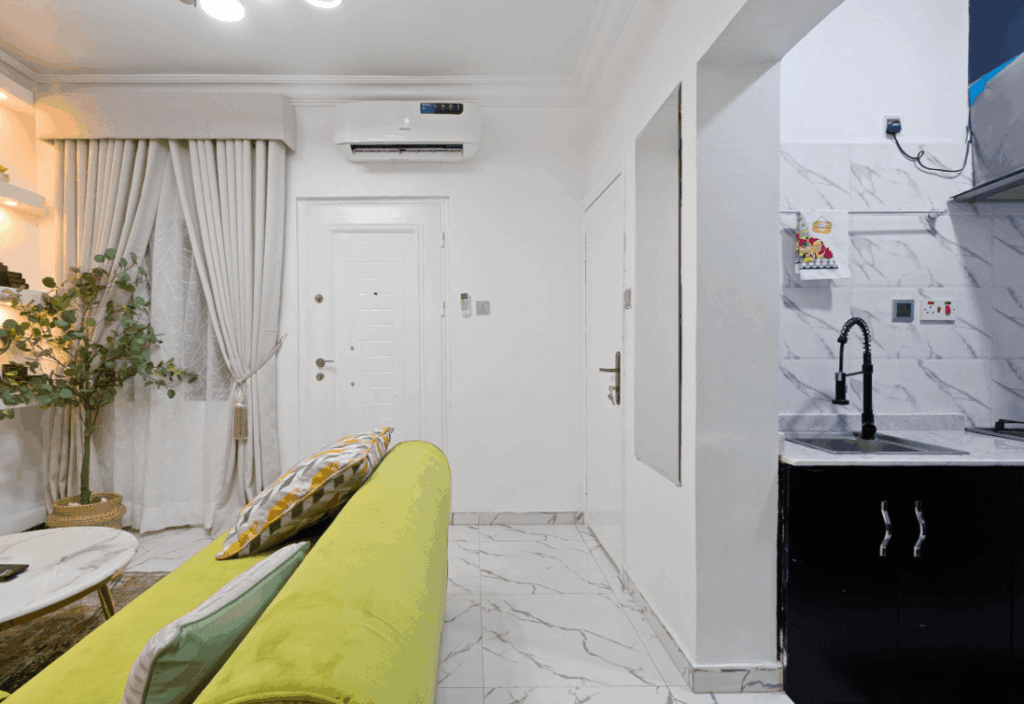
A mini-flat commonly consists of a bedroom, living room, kitchen, and bathroom. It offers more separation between sleeping and entertaining areas than a studio or many self-contained units.
Key features: A practical compact layout, separate bedroom, and manageable space requirements.
Best for: Singles, couples, and small households seeking an affordable rental or starter home.
Buying tip: Compare the usable floor area and layout, not just the number of rooms advertised.
See Also: 10 Must-Have Top Documents Required for Land Purchase in Nigeria 2026
16. Storey building
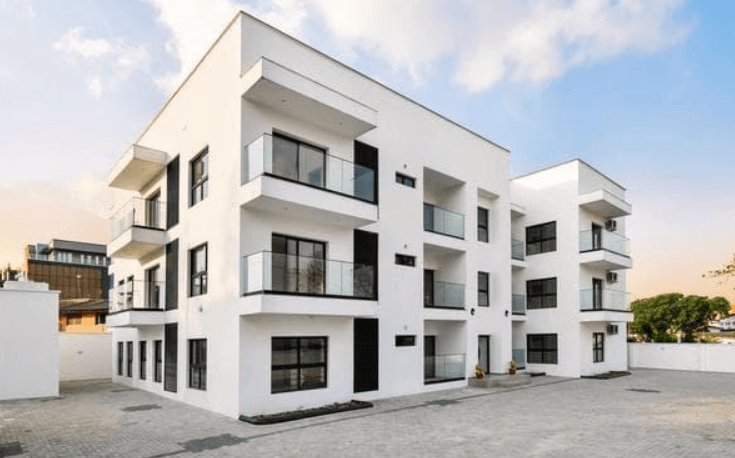
A storey building has one or more floors above ground level. In Nigeria, the term is often used for multi-floor residential buildings, family homes, and blocks of flats.
Key features: Vertical use of land, multiple floors, and flexible possibilities for family accommodation or rental units.
Best for: Landowners and developers seeking to accommodate several households or maximise a suitable plot.
Building tip: Engage qualified professionals to assess soil conditions, structural design, approvals, drainage, and applicable building regulations.
17. Triplex
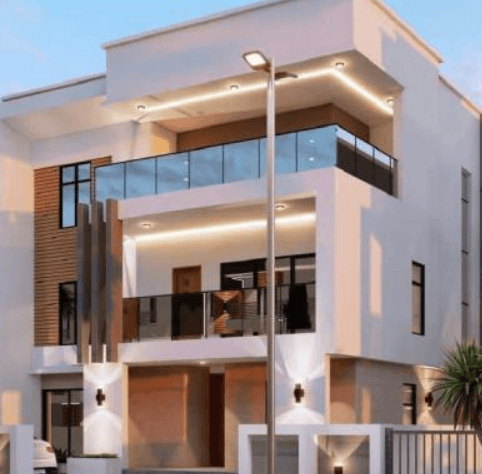
In common property descriptions, a triplex may refer to a three-level residential structure or a property containing three separate dwelling units. The intended meaning should always be confirmed.
Key features: Multiple levels or units, a potentially larger accommodation capacity, and more complex construction or management requirements.
Best for: Larger households or investors considering multi-unit residential property.
Buying tip: Confirm the approved plans, number of legally recognised units, utility arrangements, and ownership structure.
18. Fourplex or four-unit residential property
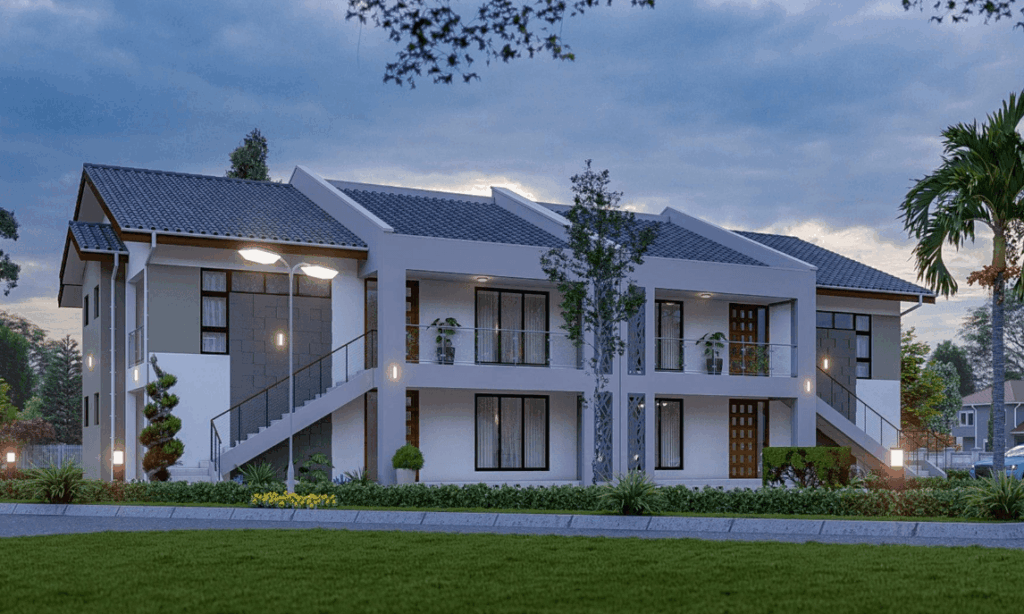
A fourplex commonly refers to one property containing four independent residential units. The units may be arranged side by side or across multiple floors.
Key features: Several potential rental units, shared infrastructure, and a need for coordinated property management.
Best for: Investors seeking rental income from multiple households and landowners planning multi-unit developments.
Investment tip: Estimate realistic rental income after vacancies, maintenance, security, utilities, insurance where applicable, and management expenses.
19. Container house
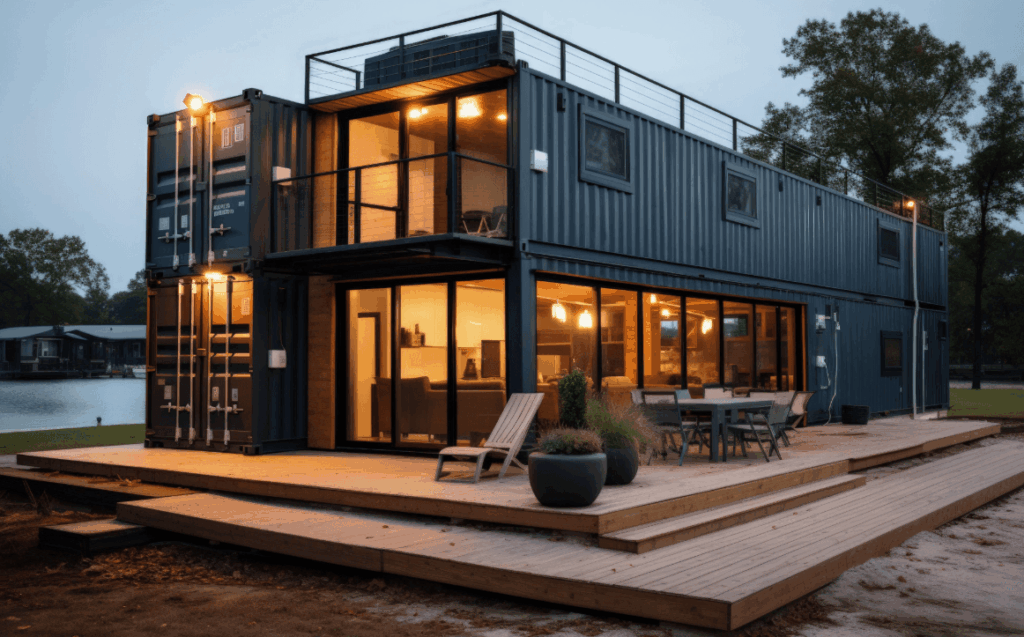
A container house uses a shipping container or container-inspired modular structure as the basis for a living space. It can be adapted into a compact home, studio, or holiday accommodation.
Key features: Modular construction possibilities, flexible layouts, and potential reductions in construction time for suitable projects.
Best for: Buyers exploring compact housing, alternative designs, or modular building methods.
Building tip: Proper insulation, ventilation, corrosion protection, structural modifications, drainage, and local approvals are essential. A used container is not automatically a safe or cheap home.
20. Smart or prefabricated home
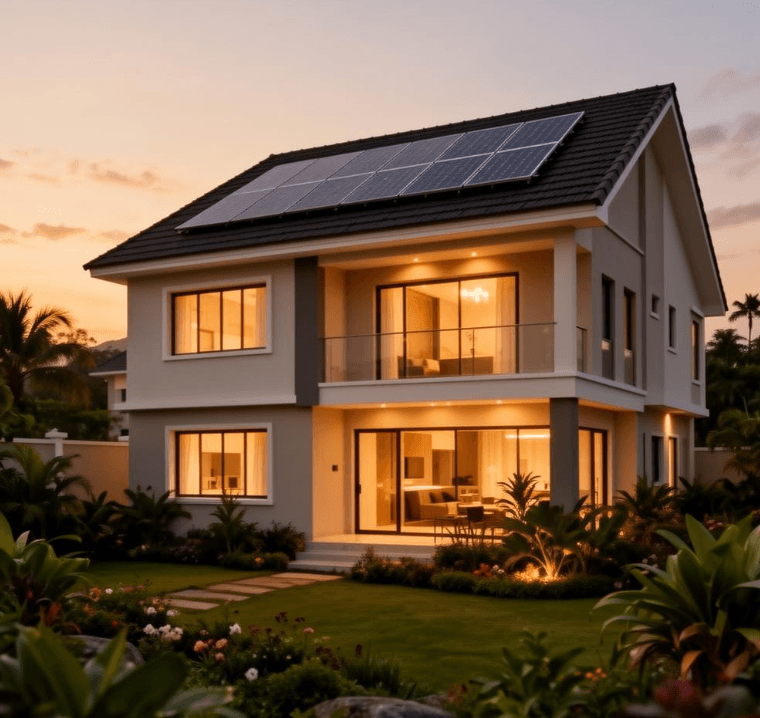
Smart homes use connected systems to manage functions such as lighting, security, and energy consumption.
Prefabricated homes use components manufactured off-site and assembled or installed on the property.
These are distinct approaches, although a home can use both.
Key features: Automation or factory-made building components, depending on the design, with potential gains in convenience and construction efficiency.
Best for: Buyers interested in modern technology, predictable construction processes, or innovative housing designs.
Building tip: Check component quality, warranties, internet connectivity, replacement-part availability, installation standards, and the total cost of ownership.
Read More: Top 10 Best Sites to Sell Property in Nigeria in 2026
Comparison of different types of houses in Nigeria
Use this quick comparison to narrow your options before viewing properties or requesting building estimates.
| House type | Main advantage | Main drawback | Ideal for |
|---|---|---|---|
| Bungalow | Easy movement between rooms | May require more land for the same floor area | Families and retirees |
| Detached duplex | Privacy and spacious layout | Higher construction and upkeep costs | Larger families |
| Semi-detached house | Balance of space and cost | Shares a wall with a neighbour | First-time buyers |
| Terrace house | Efficient use of land | Less separation from neighbours | Urban households |
| Flat or apartment | Multiple price and size options | Shared facilities | Renters and investors |
| Mini-flat | Compact and practical | Limited living space | Singles and couples |
| Mansion | Space and luxury amenities | High maintenance expenses | Luxury buyers |
| Penthouse | Premium apartment living | Service charges and building dependence | High-end buyers |
| Traditional house | Cultural character and local materials | May require adaptation for modern needs | Rural households and heritage projects |
| Container or prefabricated home | Alternative construction methods | Specialist design and installation requirements | Innovative housing projects |
How much does it cost to buy or build different houses in Nigeria in 2026?
There is no single price for each house type in Nigeria.
The cost of a three-bedroom bungalow in a developing area may differ substantially from that of a similar property in a premium Lagos neighbourhood.
For a useful estimate, separate the following costs:
- Land: Location, plot size, title, access roads, and neighbourhood infrastructure.
- Construction: Foundation, structural work, roofing, plumbing, electrical installations, and finishing.
- Professional fees: Architects, engineers, quantity surveyors, and other required specialists.
- Infrastructure: Drainage, fencing, borehole, electricity, access roads, and security arrangements.
- Ongoing expenses: Repairs, service charges, utilities, security, and facility management.
For buyers, compare the total purchase price with the property’s condition, documentation, location, and expected maintenance.
For builders, obtain a current bill of quantities and quotations based on an approved design rather than relying on a generic online estimate.
How to choose the best type of house in Nigeria
The best house is not necessarily the biggest or most expensive. It is the one that fits your budget, household, location, and future plans.
1. Set a realistic budget
Include the purchase or construction cost, legal and professional fees, furnishing, utilities, and an allowance for unexpected expenses. Do not commit your entire budget to the initial purchase.
2. Consider your family size
A mini-flat may suit one person, while a bungalow or duplex may offer a more practical arrangement for a growing family. Think about guest accommodation, storage, working from home, and future needs.
3. Choose the right location
Consider commute times, schools, hospitals, transport links, road access, flood risk, water supply, and electricity. A cheaper property can become expensive if daily transport and infrastructure are poor.
4. Calculate maintenance costs
Large detached homes and mansions may require more spending on security, cleaning, repairs, landscaping, and backup utilities. Flats can have recurring service charges for shared facilities.
5. Verify the property documents
Before buying, conduct appropriate title searches and confirm ownership, approved building plans where applicable, planning compliance, and any relevant encumbrances. Use a qualified Nigerian property lawyer and appropriate technical professionals.
FAQs about types of houses in Nigeria
1. What are the most common types of houses in Nigeria?
Bungalows, duplexes, flats, detached houses, semi-detached houses, and terraced houses are familiar residential types across Nigeria. Mini-flats and self-contained apartments are also common rental options, particularly in urban areas.
2. What are the 20 types of houses in Nigeria?
The 20 types covered in this guide are detached bungalows, semi-detached bungalows, detached duplexes, semi-detached duplexes, blocks of flats, terraced houses, fully detached houses, mansions, penthouses, maisonettes, traditional houses, courtyard houses, face-me-I-face-you tenements, self-contained apartments, mini-flats, storey buildings, triplexes, fourplexes, container houses, and smart or prefabricated homes.
Some categories overlap. For example, a detached duplex describes both a building layout and its relationship to neighbouring properties.
3. Which type of house is cheapest to build in Nigeria?
A compact, straightforward bungalow may be more economical than a larger multi-storey house of comparable quality. However, the final cost depends on the design, foundation, materials, labour, site conditions, and finishing.
A small house with a complicated design can cost more than a larger house with a simpler layout. Obtain a quantity surveyor’s estimate before making a decision.
4. What is the difference between a bungalow and a duplex?
A bungalow is generally a single-storey home, while a duplex in common Nigerian usage is a multi-storey home with two or more levels. A bungalow can be detached or semi-detached, and the same applies to a duplex.
5. What is the difference between a detached and semi-detached house?
A detached house stands independently without sharing a wall with another home. A semi-detached house shares one wall with a neighbouring unit. Detached properties generally offer more separation, while semi-detached homes can provide a more space-efficient option.
6. What is the difference between a terrace house and a semi-detached house?
A terrace house is usually one of several homes joined in a row, sharing walls with neighbouring units on both sides, except at the ends. A semi-detached property typically consists of two homes sharing one common wall.
7. Is a bungalow better than a duplex?
Neither is automatically better. A bungalow suits people who prefer single-level living and want to avoid stairs. A duplex provides additional floor space on a smaller building footprint, but stairs and the maintenance of a multi-level structure may be less convenient for some households.
8. Which house type is best for real estate investment in Nigeria?
The right choice depends on your target tenants, purchase or construction cost, rental demand, location, and management expenses. Flats and mini-flats can appeal to renters seeking smaller units, while duplexes and detached houses may serve different household segments.
Evaluate net rental income, vacancies, maintenance, service charges, and resale prospects rather than assuming a particular house type guarantees a good return.
9. What should I check before buying a house in Nigeria?
Check the property’s title and ownership, approved plans where applicable, physical condition, structural integrity, drainage, access roads, utility supply, and any outstanding obligations. Have the documents reviewed by a qualified property lawyer and arrange a suitable inspection by a building professional.
10. Where can I find pictures of modern house designs in Nigeria?
This article includes visual references for common Nigerian house types.
You can also explore architectural portfolios, property listings, and completed residential developments to compare exterior designs, floor plans, interior layouts, and finishing options.
Before choosing a design from a photograph, confirm that it suits your plot dimensions, budget, local planning requirements, and household needs.
Conclusion of types of houses in Nigeria
Understanding the different types of houses in Nigeria helps you make a better-informed decision whether you intend to rent, buy, build, or invest in residential property.
Bungalows and mini-flats offer practical options for different budgets. Duplexes, maisonettes, and terrace houses provide alternative layouts, while detached homes, mansions, and penthouses cater to buyers seeking greater privacy, space, or luxury. Traditional and newer construction styles also offer possibilities depending on location and purpose.
Before making your decision, compare at least three properties or building designs, calculate the full cost, assess the location, and verify the relevant documentation.
A house that looks attractive in pictures is only a good choice if it meets your needs and remains affordable to own or maintain.
Whether you are searching for a first home, planning a family residence, or exploring a property investment, start with the house type that matches your budget and priorities, then narrow your search by location, layout, and verified property details.
Grow Your Real Estate Business Online
RealtyBox helps developers, agencies, and property brands attract qualified buyers through AI, SEO, Google Ads, content marketing, and strategic digital marketing.
Book a Free Strategy Call