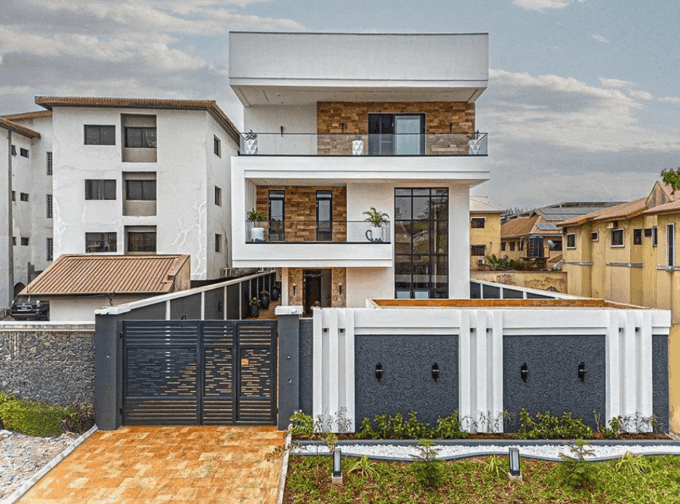
Lagos State is grappling with a housing deficit of more than 3.3 million homes, highlighting the growing challenge of providing affordable and decent accommodation for residents in Nigeria’s commercial capital.
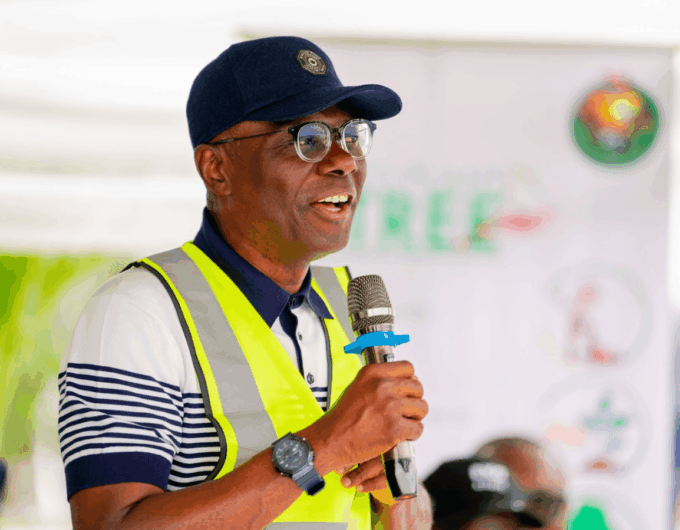
Governor Babajide Sanwo-Olu disclosed this at the 2026 World Habitat Day celebration in Lagos, where he acknowledged that the state’s housing needs remained far greater than the number of homes delivered by his administration.
The event, themed “Adequate Housing for All,” was held at the Blue Roof, Lagos Television Complex, Agidingbi, Ikeja, and organised by the Lagos State Ministry of Physical Planning and Urban Development.
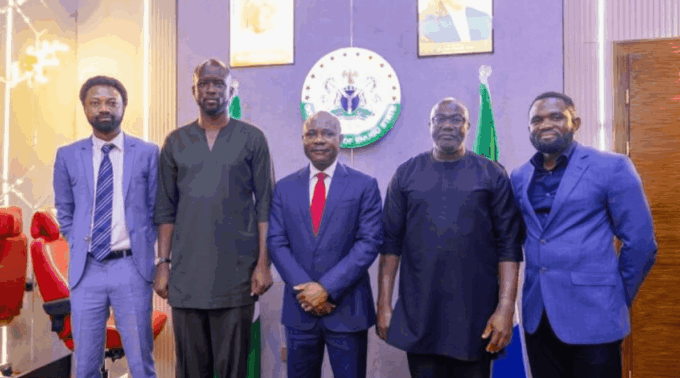
Represented by the Commissioner for Housing, Moruf Akinderu-Fatai, the governor said addressing the housing crisis required more than building additional houses. He stressed the need to make homes affordable, safe, accessible and supported by essential infrastructure.
Sanwo-Olu noted that the global housing crisis remained severe, with billions of people living in inadequate conditions, including those in slums and informal settlements.
He said Lagos was also facing considerable pressure, with independent estimates placing its housing shortfall above 3.3 million units.
Lagos delivers 10,623 homes in seven years
Despite the scale of the challenge, Sanwo-Olu said his administration had delivered 10,623 homes since taking office, comprising 4,414 units funded directly through the state budget and another 6,209 developed through public-private partnerships.
According to him, the state has completed 23 housing estates across its five divisions since 2019.
However, the governor admitted that the number of homes delivered was only a contribution towards closing the deficit, rather than a complete solution to the problem.
He explained that the government was working towards a housing model that prioritises not just the availability of buildings but also residents’ access to roads, drainage, electricity, water and safe communities.
Sanwo-Olu cited the Greater Lagos Apartments in Surulere as an example of the state’s approach to urban regeneration. The project was developed on a former refuse dumpsite, transforming previously underused land into a residential community.
He also highlighted progress on housing developments that had stalled in the past, including the Egan-Igando, Ajara and Abraham Adesanya schemes.
The governor added that five housing projects currently under construction through direct budgetary funding were expected to provide another 1,584 homes. Construction has also commenced on the Ajara Phase II high-rise development.
Lagos explains how residents can own homes
Sanwo-Olu said expanding access to homeownership remained a key part of the state’s housing policy, particularly for first-time buyers who might struggle to raise large deposits.
Under the Rent-to-Own scheme, eligible buyers can take possession of a property after paying an initial deposit of 5%, with the balance spread over 10 years.
He explained that the Lagos HOMS scheme also offered a homeownership option requiring an equity contribution of up to 30%, with repayment over a 10-year period.
The governor further disclosed that more than 20,000 Lagos residents had benefited from mortgage and rent-to-own initiatives over the past 12 years.
He maintained that housing policies must reflect the different needs of residents, noting that owning a home was not a realistic option for everyone.
Government considers changes to tenancy rules
The governor also addressed concerns surrounding renting, including arbitrary rent increases, questionable charges and disputes between landlords and tenants.
He said the proposed Tenancy and Recovery of Premises Bill before the Lagos State House of Assembly was intended to tackle some of these issues, including the regulation of estate agents and the faster resolution of tenancy disputes.
According to him, the government was also considering proposals that could allow rent payments on a monthly or quarterly basis.
The proposed measures are expected to form part of broader efforts to improve protections for tenants in a state where housing costs remain a major concern for many households.
Lagos identifies planning as key to solving housing crisis
Earlier, the Commissioner for Physical Planning and Urban Development, Dr Oluyinka Olumide, said the theme of the celebration was particularly important to Lagos because housing could not be separated from other aspects of urban life.
He explained that access to decent accommodation depended on several factors, including transportation, employment, healthcare, education, security, water supply, sanitation and the quality of the surrounding environment.

Grow Your Real Estate Business Online
RealtyBox helps developers, agencies, and property brands attract qualified buyers through AI, SEO, Google Ads, content marketing, and strategic digital marketing.
Book a Free Strategy CallOlumide noted that the rapid expansion of Lagos continued to put pressure on land, housing, transportation and public infrastructure.
He said the state therefore needed to consider not only the number of homes being built but also their locations, accessibility and suitability for residents.
The commissioner reaffirmed the ministry’s commitment to coordinated physical planning, adding that orderly development was necessary to create a functional, liveable and sustainable city.
He also pointed to the Electronic Physical Planning Permit Processing System as part of efforts to improve efficiency and transparency in the approval of development projects.
Olumide called for stronger collaboration among government agencies, private developers, financial institutions, professional bodies, development partners and community leaders, stressing that government could not tackle the housing challenge alone.
The Permanent Secretary in the Office of Physical Planning, Olayinka Wasiu, also urged stakeholders to turn the message of World Habitat Day into practical action.
The celebration brought together government officials, built-environment professionals, private sector representatives, academics, community leaders and students to discuss practical approaches to expanding access to decent and affordable housing.
Guest speaker Dr Festus Adebayo shared insights into the challenges of housing delivery and the need for inclusive and sustainable solutions. Students from selected schools also participated in a debate on housing and the future of urban development in Lagos.
World Habitat Day is observed on the first Monday of October under the auspices of UN-Habitat to draw global attention to the condition of human settlements and the importance of ensuring access to adequate housing.
Grow Your Real Estate Business Online
RealtyBox helps developers, agencies, and property brands attract qualified buyers through AI, SEO, Google Ads, content marketing, and strategic digital marketing.
Book a Free Strategy Call