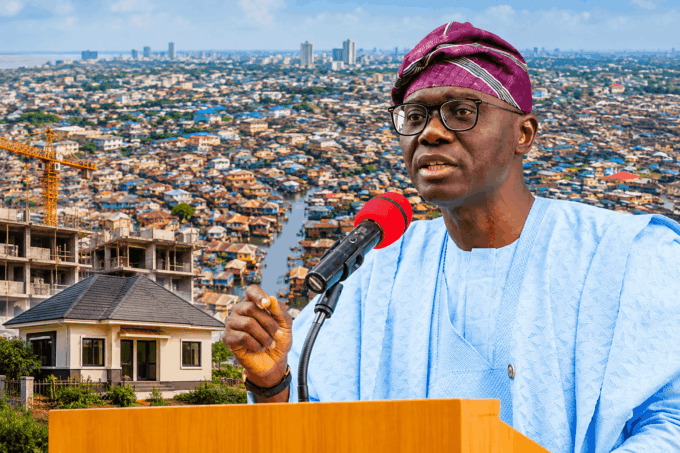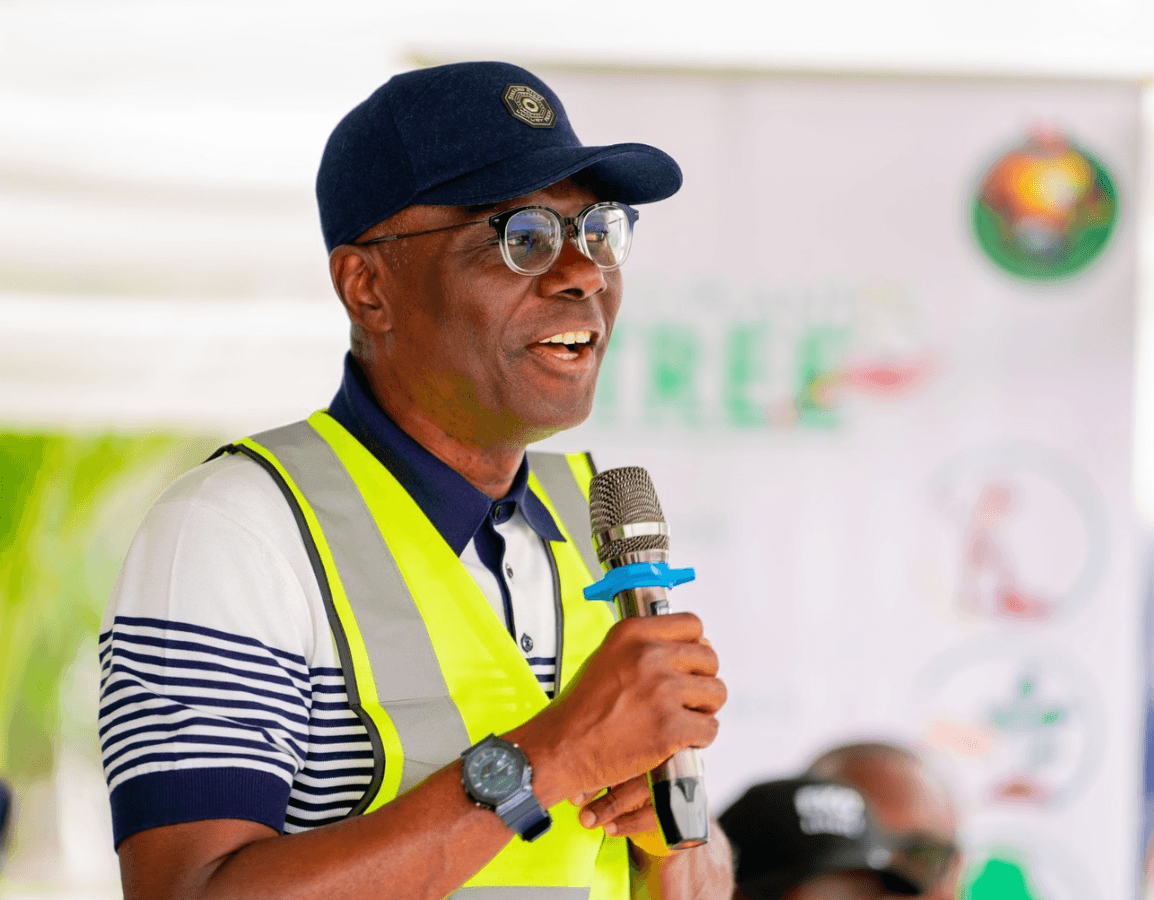
Lagos State Governor Babajide Sanwo-Olu has set a fresh electricity target for the state, promising to raise power supply to more than 3,000 megawatts (MW) by March 2027.
The target represents a major increase from the less than 1,000MW currently available to the state, with the government planning to add about 2,000MW through different sources of electricity generation and supply.
Sanwo-Olu disclosed the plan at the fourth Lagos Business School Africa Energy Conference 2026 in Lekki, Lagos, on Saturday. His deputy, Obafemi Hamzat, represented him at the event.
In a post on X on Sunday, the governor said the initiative was designed to improve electricity access, strengthen the state’s power market and support economic growth.
The plan comes as Lagos seeks to take greater control of electricity regulation within its territory and attract private investment to address persistent power supply challenges.
How Lagos plans to achieve 3,000MW electricity supply
According to the governor, Lagos intends to combine electricity from the national grid with independent power projects, energy hubs, power barges, energy traders and embedded generation to meet its March 2027 target.
He explained that increasing electricity supply would require improvements across the entire power value chain, from generation and transmission to distribution.
The state is also looking to strengthen gas supply to power plants, upgrade substations, improve distribution networks and expand electricity metering.
These measures are expected to help deliver more reliable power to homes, commercial centres and industrial facilities across Lagos.
The government also plans to introduce digital monitoring systems to track electricity delivery, improve transparency and make operators more accountable for their performance.
However, the success of the ambitious target will depend on funding, infrastructure development, reliable fuel supplies and the effective implementation of the proposed measures.
Lagos steps up electricity market reforms
The electricity expansion plan follows changes in Nigeria’s power sector that have allowed states to play a greater role in regulating electricity markets within their territories.
In December 2024, the Nigerian Electricity Regulatory Commission transferred regulatory oversight of intrastate electricity activities in Lagos to the Lagos State Electricity Regulatory Commission (LASERC), following provisions of the Electricity Act 2023.
The Lagos State Electricity Law 2024 provides the legal framework for electricity generation, transmission, distribution, supply and trading within the state.
LASERC oversees the market and licenses operators involved in electricity-related activities.
Sanwo-Olu said his administration was working to improve coordination among regulators and electricity companies while establishing clearer contractual obligations for market participants.
The government hopes these reforms will create a more predictable business environment, attract private capital and encourage investment in power infrastructure.
Government turns to technology to monitor electricity supply
Beyond increasing generation, Lagos is also looking to technology to improve how electricity is distributed and monitored.
Sanwo-Olu identified three systems the state plans to deploy: Supervisory Control and Data Acquisition (SCADA), Advanced Metering Infrastructure (AMI) and the Lagos Electricity Intelligence Platform.
The technologies are expected to provide better information on electricity distribution and consumption, improve real-time monitoring and strengthen accountability among operators.
With more reliable data, the government could identify areas experiencing supply challenges, monitor service delivery and assess whether electricity providers are meeting their obligations.
Effective monitoring will be particularly important as Lagos expands its electricity market and works to ensure that additional power reaches the intended consumers.
Lagos expands solar projects in schools and streets
The state government is also investing in renewable energy, with solar power forming part of its broader electricity strategy.
Sanwo-Olu said about 42,000 of the 50,000 streetlights earmarked for solarisation had been completed.

Grow Your Real Estate Business Online
RealtyBox helps developers, agencies, and property brands attract qualified buyers through AI, SEO, Google Ads, content marketing, and strategic digital marketing.
Book a Free Strategy CallThe administration has also installed solar power systems in 175 public schools, while work is ongoing in another 100 schools.
The projects are expected to improve electricity access in public facilities and reduce reliance on conventional power sources for selected services.
Solar-powered streetlights and school installations could also help Lagos manage energy costs while expanding the use of renewable energy across its public infrastructure.
Sanwo-Olu appeals to investors as Lagos targets more power
The governor has called on investors, financial institutions, energy companies and development partners to support the state’s electricity expansion plans.
He described reliable electricity as a major requirement for industrial growth, job creation and business competitiveness.
For businesses operating in Lagos, improved power supply could reduce dependence on costly alternative energy sources, support productivity and make it easier to expand operations.
However, moving from less than 1,000MW to more than 3,000MW within the announced timeframe will require substantial investment, stronger infrastructure, dependable gas supplies and effective coordination among electricity market operators.
The government has indicated that its priority is to turn its plans into measurable improvements in electricity delivery while building a sustainable market capable of serving residents and businesses.
The fourth Lagos Business School Africa Energy Conference 2026 was held under the theme, “Securing Nigeria’s Energy Future: Policy Reform, Capital Mobilisation, and Pathways to a Sustainable Power and Energy Market.”
Grow Your Real Estate Business Online
RealtyBox helps developers, agencies, and property brands attract qualified buyers through AI, SEO, Google Ads, content marketing, and strategic digital marketing.
Book a Free Strategy Call