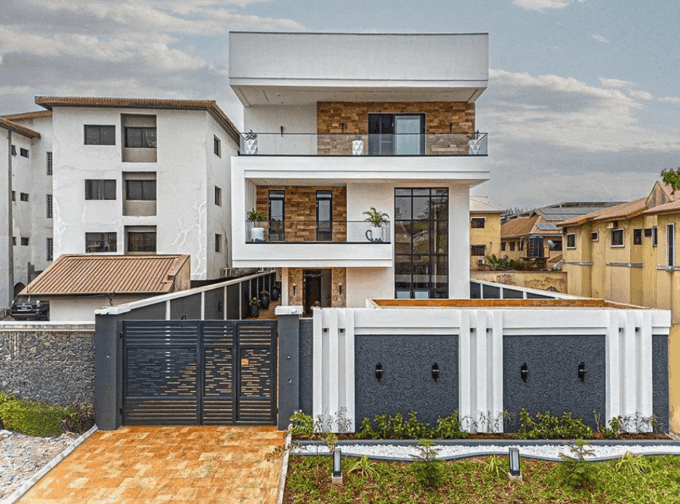
The dream of affordable housing and cheaper construction costs is slipping further out of reach for many Nigerians as the prices of building materials continue to rise sharply across the country.
A review of the construction market shows that the costs of essential materials such as cement, sharp sand, stones and tiles have climbed significantly over the past year, forcing many developers, homeowners and contractors to either suspend projects or scale back building plans.
As reported by RealtyBox Media Online, citing a report by The Guardian, several building materials have recorded price increases of more than 60%, while some have nearly doubled in price compared to 2025 levels.
Cement Hits N13,000 Per Bag
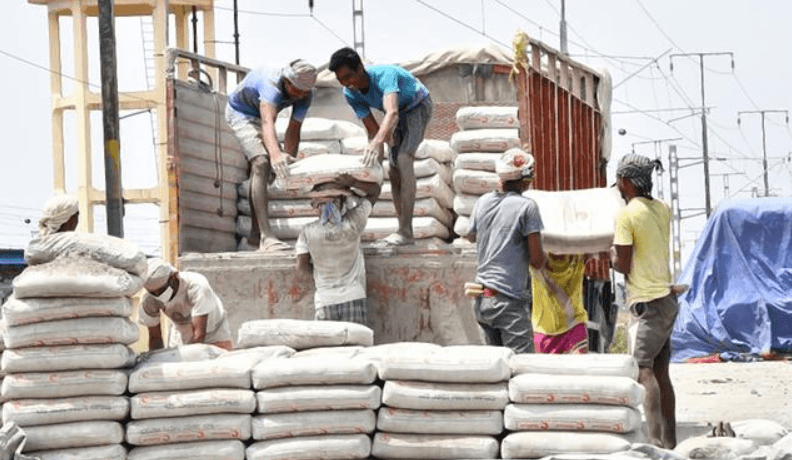
One of the most noticeable increases is in the price of cement, a critical component in virtually every construction project.
A 50kg bag of cement that sold between N8,500 and N10,000 in 2025 now goes for as much as N13,000 in some parts of Nigeria, depending on location and availability.
The development has placed additional pressure on builders already battling rising labour and transportation costs.
Sand, Stones Become More Expensive
The cost of sharp sand has also skyrocketed.
A tipper load that previously sold for between N40,000 and N80,000 now costs anywhere from N170,000 to N350,000, reflecting increases in fuel prices, transportation expenses and extraction costs.
Similarly, local stones used for structural works have risen from about N180,000 per tonne in 2025 to as much as N350,000 in some areas.
Industry observers say the sharp increases are making housing projects significantly more expensive than initially budgeted.
Tiles and Finishing Materials Not Spared
Finishing materials have also witnessed major price adjustments.
Locally produced tiles that once sold for N4,500 to N6,000 per carton now cost between N7,500 and N8,500.
Imported tiles have become even more expensive due to foreign exchange fluctuations, customs duties and higher importation costs.
However, there is a slight relief in the paint market, with some brands recording marginal price reductions amid weaker demand.
For instance, a 20-litre container of emulsion paint has dropped from N18,000 to N17,200, while gloss paint prices declined slightly from N20,000 to N19,900.
Inflation Driving Construction Costs Higher
The latest figures from the National Bureau of Statistics (NBS) indicate that Nigeria’s inflation rate increased to 15.69% in April 2026, up from 15.38% in March.
Experts say inflationary pressure continues to affect production costs, logistics, transportation and distribution, ultimately pushing building material prices higher.
The ripple effect is being felt across the real estate sector, with manufacturers of roofing sheets, ceiling boards, paving stones and other cement-based products also increasing prices.
Why Prices Keep Rising
Speaking on the development, landlord Stanley Nnabuike blamed the persistent increase on foreign exchange instability, high fuel costs and rising labour expenses.
According to him, manufacturers and suppliers are struggling with higher operating costs, making it difficult to reduce prices.
Construction cost expert and quantity surveyor Goodman Etiowo pointed to limited competition in cement production and Nigeria’s heavy dependence on imported building materials as major factors behind the trend.
He argued that greater competition among manufacturers could help reduce prices and make construction more affordable.
Architect Kingsley Chilaka also identified high import duties, multiple taxes, clearing charges and weak regulatory oversight as contributors to the crisis.
According to him, most of the costs incurred by manufacturers and importers are eventually passed on to consumers, leaving developers and home builders to bear the burden.

Grow Your Real Estate Business Online
RealtyBox helps developers, agencies, and property brands attract qualified buyers through AI, SEO, Google Ads, content marketing, and strategic digital marketing.
Book a Free Strategy CallHe further lamented the lack of effective market regulation, noting that manufacturers and suppliers largely determine prices with little intervention to stabilise the sector.
Stakeholders Raise Fresh Concerns
Industry stakeholders have warned that unless inflation eases, foreign exchange pressures reduce and local production capacity improves, building material prices may remain elevated in the coming months.
They cautioned that the continued rise could lead to more abandoned projects, delayed housing developments and worsening affordability challenges in Nigeria’s already strained property market.
Credit: Adapted from a report by The Guardian Nigeria, as referenced by RealtyBox Media Online.
Grow Your Real Estate Business Online
RealtyBox helps developers, agencies, and property brands attract qualified buyers through AI, SEO, Google Ads, content marketing, and strategic digital marketing.
Book a Free Strategy Call