Nigeria’s real estate sector is entering a defining phase as sweeping economic reforms reshape investment patterns, housing demand, and development strategies nationwide.
A 2026 market outlook by the Managing Director of Legendary Foreshore, Victor Ameh, indicates that the sector is no longer shielded from macroeconomic pressures such as inflation, foreign exchange volatility, and rising interest rates.
These factors are now directly determining project viability, affordability, and developer survival.
Despite an estimated housing deficit of between 20 million and 28 million units, affordability remains a major obstacle.
Analysts note that while demand is strong, execution continues to lag due to structural and financial constraints.
Economic tightening, driven by reforms to stabilise public finances, has significantly increased the cost of capital. Developers who previously depended on speculative or informal financing now face stricter conditions, where access to structured funding is critical.
Mortgage penetration remains below one per cent, limiting homeownership for many Nigerians. As a result, most projects rely on equity financing, short-term funding, or instalment payment models, all of which are under pressure in the current climate.
The report identified affordability as the “gatekeeper” of the market, as rising costs of living including rent, energy, and transportation force buyers and tenants to reconsider spending capacity.
Consequently, developments that do not reflect real income levels are struggling to attract occupants.
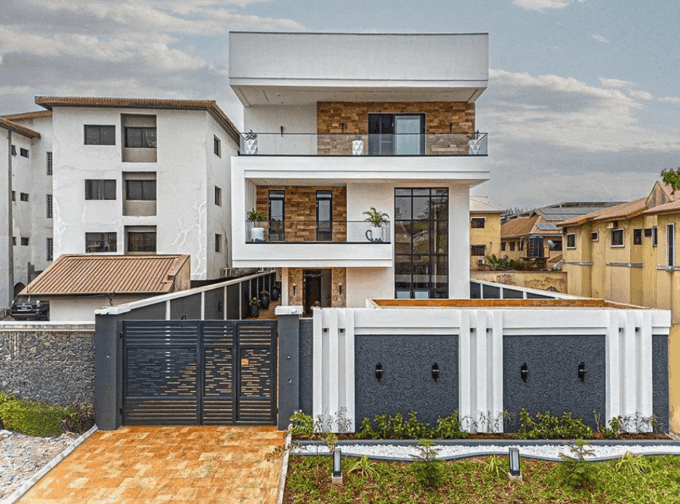
This shift is already influencing market trends. Luxury housing, once dominant in cities like Lagos and Abuja, is losing traction to mid-range and affordable housing.
Developers are increasingly focusing on smaller units, phased construction, and cost-efficient designs.
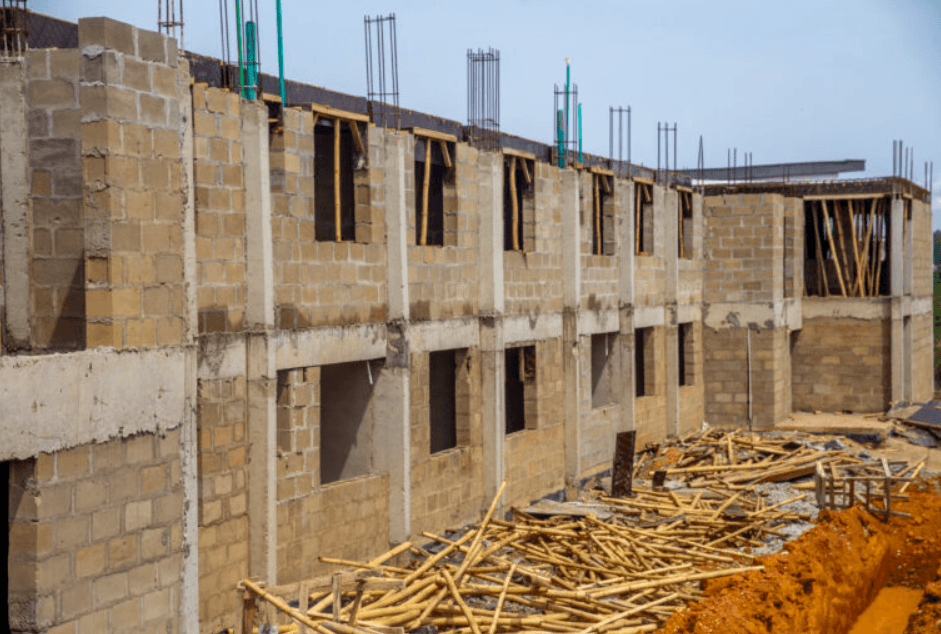
Construction costs have also surged, largely due to Nigeria’s dependence on imported building materials. Exchange rate fluctuations continue to impact project budgets, with some developments facing delays or abandonment.
To mitigate these challenges, developers are adopting strategies such as design standardisation, early procurement planning, and increased use of locally sourced materials.
Urbanisation remains a key driver of demand, with Nigeria’s population exceeding 230 million and over half residing in urban areas. This has sustained rental demand, particularly in major economic hubs.
However, tenants are becoming more discerning, with growing expectations that rental costs must align with infrastructure quality and service delivery.
The report also urged government reforms, including digitisation of land administration, faster approval processes, and expanded housing finance systems, warning that without these measures, housing demand may remain unmet.
For investors, the outlook signals a shift towards caution.
There is a growing preference for income-generating assets with clear documentation and stable returns, while industrial real estate, including logistics hubs and warehouses, is gaining attention as a more resilient investment option.
Analysts concluded that 2026 will mark a period of separation in the industry, where financially disciplined developers with strong execution capacity are likely to thrive, while weaker operators risk being edged out.

Grow Your Real Estate Business Online
RealtyBox helps developers, agencies, and property brands attract qualified buyers through AI, SEO, Google Ads, content marketing, and strategic digital marketing.
Book a Free Strategy Call